
Blog

  • How to Pay for Online Exams and Certifications in Ireland

    How to Pay for Online Exams and Certifications in Ireland

    You can pay for online exams in Ireland with Irish debit or credit cards, SEPA or domestic bank transfers, e‑wallets like PayPal or Apple Pay, or prepaid exam vouchers. Check fees, foreign‑transaction charges, and processing times, save receipts and confirmation IDs, and include exam references for transfers. Plan around SEPA timing and cancellation/refund rules, and ask your employer or funder about coverage. Keep secure records and continue if you want practical tips and troubleshooting steps.

    Choose the Right Payment Method for Online Exams in Ireland

    When you register for an online exam in Ireland, pick a payment method that matches your needs—speed, security, and fees should guide your choice.

    You’ll compare payment options like bank transfer, e-wallets, and international cards, weighing how quickly each clears and what protections they offer.

    Check whether the provider supports methods that improve exam accessibility, such as disabled-student discounts or invoicing for institutions.

    Look for clear refund policies and secure checkout indicators (SSL, trusted gateways).

    If you rely on mobile or low-bandwidth connections, choose methods with simple verification flows to avoid delays.

    Keep records of transaction IDs and confirmation emails so you can resolve disputes promptly.

    Decide before booking to prevent payment-related exam access issues.

    Paying With Irish Debit and Credit Cards: Fees, Limits and Tips

    When you pay with an Irish debit or credit card, check whether the exam provider adds card processing fees or converts the charge and what that costs you.

    You should also confirm any per-transaction or daily limits your bank or the provider enforces so your payment won’t be blocked.

    Finally, follow basic security steps, keep receipts, and know how to dispute or request a chargeback if something goes wrong.

    Card Processing Fees

    Most Irish debit and credit cards work smoothly for online exam payments, but you’ll usually pay small processing fees or face transaction limits depending on your bank and card type.

    Card processing fees vary: some issuers charge a flat fee, others take a percentage, and certain merchants add surcharges. Check fee structures before you pay so you won’t be surprised by extra costs.

    • Confirm whether the exam provider absorbs card processing or passes it to you.
    • Compare flat vs percentage fees to see which costs more for your payment amount.
    • Use cards with no foreign transaction fee for international exam platforms.
    • Keep receipts and screenshots if you need to dispute an unexpected fee.

    Always review terms and contact your bank for specific card processing details.

    Transaction Limits Overview

    Although limits vary by bank and card type, you’ll usually hit daily or per-transaction caps that can affect high-value exam fees or multiple bookings in one session.

    Check your card’s online banking or app to confirm single-transaction ceilings and daily totals, since transaction types (e.g., merchant-present vs. card-not-present) can trigger different limits.

    For multi-seat bookings, split payments across cards or stagger transactions to stay under caps.

    Remember that Irish payment regulations may set minimum standards, but banks apply specific thresholds and discretionary blocks for fraud prevention.

    Contact your bank ahead of time if you expect large or repeated charges, and notify the exam provider if a payment fails so you can arrange alternative payment types or retry within your limits.

    Security And Chargebacks

    Limits and bank safeguards can also affect how disputes and chargebacks play out, so it’s smart to understand security and reversal processes before you pay.

    You’ll want to confirm the exam provider uses strong security measures like HTTPS, 3D Secure, and tokenization to protect card data. If a problem arises, follow your card issuer’s chargeback process quickly: document the transaction, contact the merchant, then file with your bank if unresolved.

    Know time limits and possible fees.

    • Keep receipts and confirmation emails for every payment.
    • Check your bank’s dispute deadlines and requirements.
    • Use cards with fraud alerts and transaction limits.
    • Avoid public Wi‑Fi when submitting payment details.

    This approach reduces risk and speeds any resolution.

    The Quiet Win for Anyone Who Values Privacy

    Plenty of us would rather not scatter card details across the web, and that instinct is sound. A privacy-conscious friend shops almost entirely with a secure virtual card so merchants never see her actual number. She steered us to Qwikvcc, and it fit exactly how we wanted to guard our data. A fresh prepaid card per shop, real banking details kept private, and the option to kill any number on the spot—it’s a careful way to use a VCC without losing the ease of a normal credit card.

    Bank Transfers and SEPA Payments: Timing and Proof of Payment

    When you choose a bank transfer or SEPA payment to pay for an online exam in Ireland, plan for processing times and keep clear proof of payment: domestic transfers can post within hours but SEPA credit transfers typically take one business day, while some banks or weekends can add delays.

    You should check payment timelines with your bank and the exam provider beforehand so you schedule payments to meet registration deadlines. Save transfer confirmations, screenshots, or PDF receipts showing amount, date, beneficiary and reference; those speed dispute resolution and confirm your seat.

    If a payment doesn’t appear, contact both banks and the provider immediately, supplying transfer confirmations and timestamps. Always include the exam reference in the transfer to avoid reconciliation delays.

    PayPal, Apple Pay and E‑Wallets: Speed, Costs and Limits for Exams

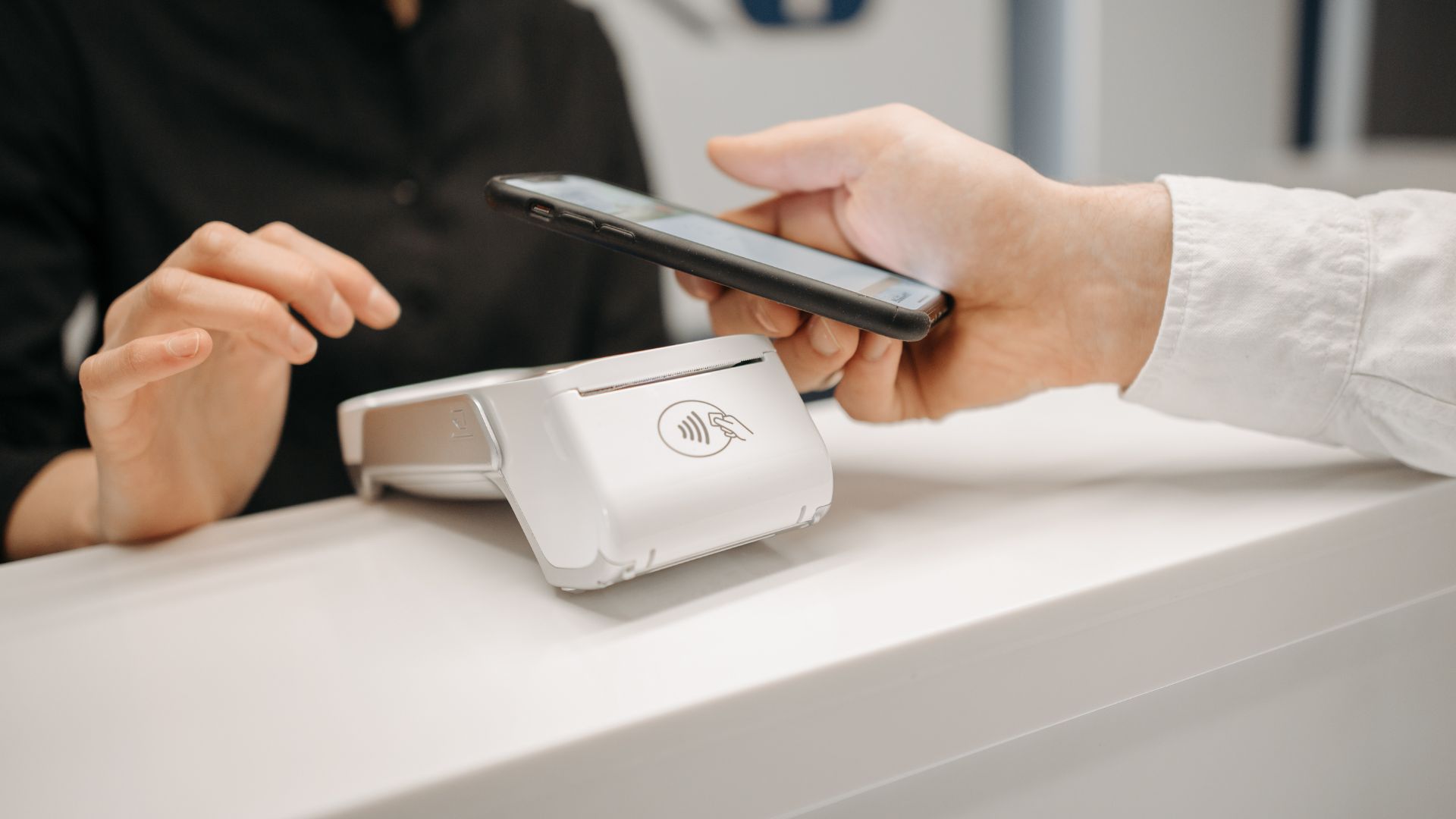
    You’ll usually get results fastest with Apple Pay or other e‑wallets, while PayPal can be instant but sometimes routes through banks.

    Watch fees and currency conversion rates — they can add 2–4% or more compared with cards or euro transfers.

    Also check transaction limits and possible holds, since larger exam providers may require verification that delays access.

    Payment Speed Comparison

    Although speed isn’t the only factor to weigh, knowing how quickly PayPal, Apple Pay and other e‑wallets move money can determine whether you can register for an exam at short notice.

    You’ll want to compare payment processing and transaction speed across providers: Apple Pay authorises instantly but depends on bank settlement, PayPal often posts immediately to the vendor, and many e‑wallets show instant confirmations while clearing can take hours.

    For urgent exam slots, choose the method with fastest visible confirmation and minimal hold periods. Consider limits on transfers and the platform’s customer support for stuck payments.

    • Instant authorisation vs actual clearance time
    • Visible confirmation needed to complete registration
    • Transfer limits that could block payment
    • Support responsiveness for failed transactions

    Fees And Currency Conversion

    Because fees and exchange rates can quietly add a significant extra cost, you should check both the explicit charges and the conversion practices of PayPal, Apple Pay and any e‑wallet before paying for an exam in Ireland.

    You’ll want to compare declared fees, hidden service markups and how each provider handles currency fluctuations when converting payments from other currencies into euros.

    PayPal often uses its own conversion rates plus a percentage fee; Apple Pay follows the card issuer’s rates and fees; many e‑wallets apply flat fees or dynamic margins.

    Check displayed conversion rates at checkout, factor in FX margins, and consider charging in euros if possible to avoid surprises.

    Keep receipts and screenshots so you can dispute unexpected conversion charges quickly.

    Transaction Limits And Holds

    When you pay for an exam with PayPal, Apple Pay or an e‑wallet, check each service’s transaction limits and hold policies — they can affect whether your payment clears immediately or gets delayed for review.

    You’ll want to know daily and per‑transaction caps, how often services flag unusual amounts, and whether transaction holds kick in for new devices or cross‑border payments.

    If a hold occurs, payment verification steps (ID, proof of card) can clear it but may take hours or days. Plan ahead to avoid missed deadlines.

    • Confirm per‑transaction and daily limits before checkout.
    • Expect holds on large or international payments.
    • Prepare documentation for quick payment verification.
    • Use a verified account to reduce hold risk.

    Prepaid Vouchers and Third‑Party Exam Vouchers: How They Work

    Think of prepaid and third‑party exam vouchers as ready‑made payment keys you can buy in advance or through a reseller for specific online tests; they let you register without using a credit card at the moment of booking.

    You’ll enjoy prepaid advantages like budgeting control, avoiding immediate card hassles, and sometimes discounted rates from authorized sellers. Vouchers usually come with a code and expiry date — keep both safe.

    For voucher redemption you enter the code during checkout on the exam provider’s portal; the system confirms payment and reserves your slot.

    Verify refund and transfer rules before buying, since policies vary by provider and reseller. Use only authorized sellers to avoid invalid codes, and record purchase receipts for proof.

    Employer, Training Provider and Government Funding for Exam Fees

    Many employers, training providers and government schemes will cover some or all of your online exam fees, so it’s worth checking eligibility before you pay.

    You should ask HR or your course organiser about employer contributions and training grants early, because approval processes vary and can take time.

    Look for government assistance programmes aimed at upskilling, and confirm funding eligibility criteria—course lists, exam providers, and income or employment status often matter.

    Keep records of approvals and any required receipts to avoid reimbursement delays. If a provider bundles exam fees with course costs, verify whether grants or employer contributions apply to the bundle.

    • Ask HR or training contact before enrolling
    • Confirm what documentation you need
    • Verify which exams qualify for funding
    • Track approvals and receipts promptly

    Currency, Exchange Rates and Cross‑Border Fees Explained

    If your employer or a grant covers exam fees but the provider bills in a different currency, you’ll need to handle exchange rates and possible cross‑border charges.

    Check whether the provider invoices in euros or another currency, and ask who bears conversion costs. Currency fluctuations can change the final amount between invoicing and payment, so confirm the exchange rate method—provider, card issuer, or bank—and whether they lock a rate.

    Expect international fees from your card or bank for cross‑border processing; these may be a percentage plus a flat fee.

    Request an itemized invoice and consider paying with a euro account or a card that waives foreign transaction charges.

    Keep documentation for reimbursement and record the exact charged amount and fees.

    Reduce Extra Charges: Timing, Refunds and Required Receipts

    Time your purchase to avoid weekend or late-night fees and to lock in the best exchange rate.

    Keep digital copies of payment receipts and confirmation emails in case you need proof.

    Check the exam provider’s refund policy so you know deadlines, documentation required, and how refunds are processed.

    Time Your Purchase

    When you schedule your payment, think about bank cut-offs and weekend processing so you won’t face unexpected delays or extra fees.

    Plan payment timing around bank business days and the exam provider’s refund window so you won’t miss deadlines.

    Make strategic purchases when conversion rates are favorable and when your card issuer posts transactions before a billing cycle ends to avoid interest or foreign fees.

    If a provider offers early-bird discounts or batch pricing, time your purchase to capture savings.

    • Check provider deadlines and bank cut-off times
    • Align purchases with favorable exchange rates or billing cycles
    • Use cards with no foreign transaction fees for online payments
    • Buy during promotional periods or early-bird windows to save

    Keep Payment Receipts

    You’ve planned payment timing carefully, but you should also keep every receipt and confirmation email after you pay for an online exam. Save PDFs, screenshots, and payment references immediately to avoid disputes over timing or fees.

    Good receipt organization means labeling files with date, exam provider, and amount so you can find them fast if a charge appears or a proctoring fee is questioned.

    Use reliable digital storage—cloud folders with two-factor authentication—and back up to a secondary location like an encrypted external drive. Keep a simple index (spreadsheet or note) linking receipts to registration numbers and refund windows.

    Retain records until the exam provider’s liability period ends and any appeals or billing queries are fully resolved.

    Know Refund Policies

    Because refund windows and required documentation vary by provider, check the exam’s refund policy before you pay so you can avoid unexpected charges or missed deadlines.

    You’ll want to confirm refund timelines, refund eligibility, any processing fees, and what counts as proof (receipts, cancellation confirmations). Note how long refunds take and whether partial refunds apply for rescheduling or emergencies.

    • Note the deadline for full refunds versus partial refunds.
    • Confirm required receipts or docs to prove eligibility.
    • Check if refunds are issued to your card or as credit.
    • Ask about processing timeframes and any fees.

    Read the provider’s terms, save policy screenshots, and contact support if rules or timelines aren’t clear before you complete payment.

    Troubleshooting Failed Payments, Chargebacks and Refunds

    1 common cause of a failed payment is mismatched card details, but other issues like insufficient funds, bank blocks, or network errors can also stop a transaction.

    When you face payment errors, first double-check card numbers, expiry, CVV and billing address. Retry on a secure connection and try an alternate card or payment method. Use the provider’s troubleshooting strategies page and keep screenshots of error codes and timestamps.

    If a charge posts incorrectly, contact customer support immediately with evidence and request a provisional hold or reversal.

    Know the refund processes: timelines, merchant vs. bank roles, and any fees. If the merchant can’t resolve it, file a dispute with your bank and provide all correspondence to speed resolution.

    Payment Security: Fraud Checks and Safe Payment Steps

    After sorting out failed payments or disputes, you should turn attention to preventing fraud before it happens. You’ll want clear steps to ensure fraud prevention and secure transactions when paying for online exams.

    Use verified payment platforms, enable two-factor authentication, and check that the exam provider’s site uses HTTPS and reputable payment processors. Review transaction alerts and set low-risk limits on cards used for exam fees. If something looks odd, pause and contact your bank.

    • Use bank cards with 3D Secure or OTP verification.
    • Confirm merchant identity and HTTPS certificate.
    • Monitor real-time alerts and transaction histories.
    • Keep payment details off public networks; use a VPN if needed.

    These actions reduce risk and keep your payments safe.

    Frequently Asked Questions

    Can I Split an Exam Fee Across Multiple Payment Methods?

    You usually can’t, but some providers allow split payments. Check payment flexibility and exam fee options on the provider’s site or contact support. If allowed, you’ll confirm methods and complete the transaction before scheduling the exam.

    Are There Installment Plans for High-Cost Certification Exams?

    Yes — some providers offer installments. For example, you might split a pricey certification via a vendor’s three-month plan; check payment options, compare interest, and use financial planning to budget installments without disrupting your savings.

    Do Student or Pensioner Discounts Apply to Payment Processing Fees?

    No, you generally won’t get student or pensioner discounts on payment processing fees; providers may offer payment options or fee waivers for exam costs, but processing fees are usually fixed and excluded from those concessions.

    Can I Use a Virtual Card or One-Time Card Number for Exams?

    Yes — you can often use a virtual card or one-time card number for exams; you’ll love virtual card benefits for control and budgeting, and one time card security stops fraud, though check the exam provider’s payment rules first.

    Will Refunds Return to My Original Payment Method or as a Voucher?

    Refunds usually return to your original payment method, but policies vary; check the provider’s refund processing terms. If they issue vouchers instead, they’ll state that—contact support promptly if you prefer the original payment refund.

    Final words

    Think of paying for online exams like steering a steady ship through busy waters: pick the right payment method, watch fees like shifting tides, and keep receipts as your lighthouse. Use familiar Irish cards or trusted e-wallets for speed, confirm exchange rates before you set sail, and have backup proof ready if storms hit. With careful planning you’ll dock smoothly at certification success—calm, prepared, and in control of your voyage.

  • A Practical Guide to Virtual Credit Cards for Shoppers in South Africa

    A Practical Guide to Virtual Credit Cards for Shoppers in South Africa

    You can get a virtual credit card in minutes from SA banks and fintechs to mask your real card, set spend limits, and use single‑use numbers for safer online shopping. They cut fraud risk, help budget and control subscriptions, but can complicate refunds or recurring payments. Check fees, FX rates and supported merchants before you create one, and keep your app and ID verification ready — keep going and you’ll find detailed provider comparisons, tips and troubleshooting.

    Quick Start: Get a Virtual Credit Card in 5 Minutes

    Getting a virtual credit card in five minutes is easier than you think: choose a reputable provider, verify your ID with a photo and a few personal details, link a funding source (bank account or physical card), and generate the card instantly in the app or website.

    Once you’ve got it, you’ll see virtual card benefits immediately: disposable numbers for one-off purchases, masked details for recurring payments, and faster online checkout.

    You’ll set transaction limits to control spending and reduce fraud exposure, so you’re not tied to your main account balance.

    Check provider fees, supported merchants in South Africa, and whether the app lets you freeze or cancel cards on demand.

    Follow prompts, confirm via SMS or email, and start using the card.

    What Is a Virtual Credit Card?

    A virtual credit card is a digital-only payment card that you generate through an app or online banking, giving you a card number, expiration date and CVV that exist only for electronic transactions.

    You use it like a regular card for online or phone purchases, but it’s not a physical plastic card. You can set single-use numbers, merchant-specific limits, or short expiry dates to control spending and reduce fraud.

    Those virtual card benefits include better privacy, easier dispute handling, and reduced exposure if a merchant is compromised.

    Be aware of virtual card limitations: some merchants, subscriptions, or travel bookings may reject temporary numbers, and refunds or recurring billing can be trickier to manage than with a permanent card.

    The Quiet Upgrade Our Subscription Stack Needed

    Our subscription list had grown into something we could barely audit. A friend who manages a media company told us he tamed his own by giving each service its own card. He recommended the Vizocard subscription virtual card, and within a week our recurring spend finally made sense. Every tool sits on its own prepaid card with a hard cap, so nothing can quietly inflate its price or auto-renew unnoticed. If your credit card statement reads like a mystery novel, this VCC approach rewrites it into something you can actually skim.

    Why South Africans Should Use Virtual Cards

    You’ll find virtual cards give stronger transaction security by keeping your real card number hidden and limiting single-use charges.

    They make it easier to control spending with set limits and expiration dates.

    And when you shop across borders, virtual cards reduce fraud risk and simplify currency conversions.

    Enhanced Transaction Security

    Because online fraud keeps evolving, you should use virtual cards to cut your exposure to stolen payment data. They generate single-use numbers for each purchase, so merchants never see your real card details.

    That reduces replay attacks and limits damage if a site is breached.

    You’ll also benefit from stronger transaction authentication options tied to your bank app or device biometrics, making it harder for attackers to impersonate you.

    Virtual cards support merchant-specific controls — set limits, expiry dates, and merchant locks — which bolster fraud prevention without changing your main account.

    Easier Budget Control

    When you assign virtual cards to specific purchases or subscriptions, you can track spending in real time and stop overspending before it happens. You’ll set clear spending limits per card, which prevents surprise balances and helps preserve cash flow.

    Use expense categorization to group bills, groceries, and entertainment so your transaction history paints an accurate picture of where money goes. Link virtual cards to budgeting apps to automate updates and compare progress against savings goals.

    Because each card is dedicated, you get financial flexibility to pause or cancel a card without disrupting other payments. Regularly reviewing categorized transactions makes adjustments simple, keeps you within monthly targets, and strengthens discipline for both short-term needs and long-term savings goals.

    Safer Cross-Border Payments

    Keeping spending organized with dedicated virtual cards also makes cross-border payments safer and simpler. When you use a virtual card for cross border transactions, you isolate each merchant and limit exposure to fraud, reducing the chance your main account details leak.

    Virtual cards often let you set currency, single-use limits, and expiry, so you control conversion costs and prevent unexpected charges. That containment improves payment security and simplifies reconciliation when you review bank statements or claim business expenses.

    If a vendor is compromised, you just cancel that virtual card without disrupting other payments. For frequent international purchases, virtual cards cut hassle and risk, letting you shop abroad with clearer costs and stronger protection.

    Which SA Banks & Fintechs Offer Virtual Cards

    Now you’ll see which major South African banks and fintechs actually offer virtual cards and what sets them apart.

    Compare fees, security features, limits and ease of use so you can pick what fits your spending habits.

    I’ll highlight the big banks, leading fintech providers, and the key criteria to weigh when choosing.

    Major South African Banks

    South Africa’s biggest banks and a growing number of fintechs already let you create virtual cards for safer online spending and subscription management. Major banks like the big four offer straightforward card applications in their apps, clear bank features, and varied transaction limits so you can control online purchases.

    You’ll find differing security measures — tokenisation, one‑time PINs, and spend alerts — and you should compare user experiences before deciding. Customer support varies: some banks provide in‑app chat and rapid dispute handling, others rely on call centres.

    Check fees, linking options, and whether virtual cards work for recurring payments. If you need help, ask support about limits, blocking, and how refunds are processed to avoid surprises.

    Leading Fintech Providers

    While many traditional banks offer virtual cards, a growing crop of South African fintechs — and several major banks — are leading the charge with dedicated, user-friendly virtual card options that you can create instantly in apps or web portals.

    You’ll find providers focused on fintech innovations that tie virtual cards to digital wallets, boosting mobile banking convenience and transaction speed. These firms prioritise payment technology and online security, tokenising card details and letting you set limits or single-use numbers for safer shopping.

    The user experience is streamlined for quick sign-up, improving consumer awareness and driving tech adoption. Many offerings also support broader financial inclusion by lowering barriers to secure digital payments for more South Africans.

    How To Compare Options

    Where should you start when comparing virtual-card options? Begin by checking user experience — app speed, layout, and how smooth the application process is.

    Next, list card features like single-use numbers, expiry controls, transaction limits, and budgeting tools that suit your habits.

    Weigh provider reputation and read user reviews for real-world reliability and customer support responsiveness.

    Do security comparisons: encryption, two-factor authentication, and fraud protection policies matter more than marketing.

    Also compare fees, top-up methods, and acceptance across merchants.

    Test customer support channels before committing.

    Finally, balance convenience against safety: a polished app with weak fraud protection isn’t worth it, and the best choice fits your spending patterns and offers clear, prompt support when issues arise.

    Compare Providers: Security, Fees, FX, Support

    Start by listing the features that matter most to you—security, fees, FX rates, and customer support—so you can quickly spot which virtual card provider fits your shopping habits and risk tolerance.

    In your provider comparison, focus on a clear security analysis: encryption, two-factor auth, fraud prevention, and tokenisation.

    Check fee structures for issuance, reloads, and cross-border charges, plus real currency exchange margins and FX transparency.

    Test customer support responsiveness and channels; service matters when disputes arise.

    Consider user experience and integration options with wallets, banks, and merchant platforms for seamless checkout.

    Balance protection, predictable costs, fair currency exchange, and reliable support to decide which provider aligns with how you shop and manage risk.

    Choose the Right Virtual Card Provider

    When choosing a virtual card provider, you should compare fees and pricing so you’re not surprised by hidden costs.

    Check the security features offered—like tokenisation, temporary card numbers, and fraud alerts—to keep your payments safe.

    Also confirm local merchant acceptance so the card actually works where you shop in South Africa.

    Fees And Pricing

    Because fees can quickly erase the convenience of a virtual card, you should compare pricing structures closely before you sign up.

    Look beyond headline offers and check transaction costs per purchase, monthly or annual account fees, and top-up charges. Some providers add foreign-exchange markups or per-transaction service fees that aren’t obvious at signup.

    Ask for a clear fee schedule and examples of typical purchases so you can calculate real monthly costs.

    Watch for hidden fees like card replacement, inactivity, or withdrawal charges. If you shop internationally often, prioritise low FX margins.

    Balance cost against features you actually use — a cheaper card that’s restrictive may cost you more in hassle. Choose the provider whose total cost matches your spending habits.

    Security Features Offered

    While cost matters, security should be your top priority when choosing a virtual card provider — you want features that actually protect your money and data.

    You should check encryption methods used for data in transit and at rest, plus secure storage of card details and tokens. Ensure the provider enforces strong user authentication and identity verification to prevent account takeover.

    Look for transaction monitoring and real-time alerts that detect suspicious behaviour, and fraud protection policies that limit liability.

    Useful controls include spending limits, single-use cards, and automatic card expiration to reduce exposure.

    Confirm merchant vetting standards and clear dispute resolution processes so you can challenge unauthorized charges quickly and confidently.

    Local Merchant Acceptance

    Security features keep your funds safe, but they won’t help if merchants in South Africa won’t accept your virtual card.

    You should research local merchant trends to see which payment methods are popular—online stores, ride-hailing apps, and subscription services may accept virtual cards differently.

    Check provider lists and ask merchants directly before relying on a card for purchases.

    Look for providers that offer clear compatibility info, dynamic BINs, and quick customer support so you can resolve acceptance issues fast.

    Remember virtual card benefits like single-use numbers and spend controls are only useful when merchants process the transaction.

    If a vendor rejects virtual cards, have a backup payment method and choose a provider known for broad merchant acceptance across South African e-commerce and in-store POS systems.

    Generate Your First Virtual Card (Step‑by‑Step)

    Start by opening your card provider’s app or website and signing in to your account.

    Tap “Create card” or “New virtual card,” choose the account to fund, then follow the on‑screen prompts — that’s the card issuance process simplified.

    You’ll name the card, pick the currency if available, and confirm billing details.

    Review fees and any linked account, then authorize creation with your password or biometric.

    Once issued, the app will display the virtual card number, expiry and CVV; copy or use them for online checkout.

    Keep a screenshot or use the provider’s secure copy feature.

    You’ll immediately enjoy virtual card benefits like reduced exposure to fraud and easier tracking of online purchases.

    Set Limits, Expiry & Single‑Use Numbers

    When you set spending limits, expiration dates, and single‑use numbers, you control where and how long a virtual card can be used, cutting fraud risk and accidental charges.

    Use clear limit settings so a card only covers the amount you expect, preventing surprise debits.

    Apply expiry management to match the purchase window—short lifespans for one-off buys, longer for subscriptions you trust.

    Rely on single use benefits when paying unfamiliar merchants; the number dies after one transaction.

    1. Set tight limits per merchant to minimise exposure.
    2. Pick expiry dates that align with delivery or service timelines.
    3. Enable one‑time numbers for marketplaces and trial offers.
    4. Monitor transaction control logs to spot anomalies quickly.

    Fees, FX and Limits to Watch

    Watch fees, foreign-exchange spreads and per‑transaction or monthly limits so you’re not surprised by extra costs.

    Check whether your issuer charges card activation, reload, or cross‑border fees and what FX rate they apply for non‑ZAR purchases.

    Also confirm single‑use and cumulative limits to make sure the card covers your planned purchases.

    Fees And Charges

    While virtual cards can simplify online shopping, you’ll still face a mix of fees, foreign-exchange markups and transaction limits that affect the true cost and convenience.

    You should review transaction types (single-use, multi-use, subscription) and card limitations tied to daily or per-transaction caps.

    Watch for hidden costs like issuance, top-up, inactivity and cash-advance fees that erode savings.

    International usage often triggers FX markups and merchant compatibility issues, so check supported acquirers before buying.

    User experiences vary: read reviews about application processes, customer support and account management to avoid surprises.

    Prioritise providers with clear fee tables and robust fraud prevention.

    Compare scenarios to pick a card whose charges match your shopping patterns and cross-border needs.

    1. Check fee schedule
    2. Verify FX policy
    3. Confirm limits
    4. Read reviews

    FX Rates & Limits

    Because FX markups and card limits directly change what you pay and whether a purchase goes through, you should check both the exchange rate method and all spending caps before you buy a virtual card.

    Look for providers that disclose their FX methodology—mid-market rate plus a clear markup or dynamic rate—and watch for hidden fees on currency conversions.

    Expect fx fluctuations to affect final cost; some issuers lock rates at authorization, others convert at settlement.

    Confirm transaction limits and daily or monthly spending caps so your purchase won’t be declined mid-checkout.

    Also check single-transaction maxima and top-up limits for reloadable cards.

    If you shop internationally, compare effective rates and limits across cards to minimize surprise charges and failed transactions.

    Use Virtual Cards for Recurring Payments

    If you set up recurring subscriptions with a virtual card, you’ll keep your real card details private and cut the risk of long-term exposure if a merchant gets breached. You’ll also gain control: use unique card numbers per service, set limits, and cancel any that look suspicious.

    For recurring billing and subscription management, virtual cards let you isolate vendors and stop overcharges quickly.

    1. Create a dedicated virtual card for each subscription.
    2. Set a monthly limit that matches the plan to prevent unexpected debits.
    3. Monitor charges regularly and update or cancel via the app.
    4. Close or replace a card instantly if a merchant’s security is in doubt.

    This approach simplifies audits and reduces fallout from data leaks.

    Use Virtual Cards for One‑Off Purchases & Travel

    Switch to a virtual card for one‑off buys and travel to keep your main card number off sites and away from skimmers. You can generate a single‑use or short‑lived card for a hotel deposit, rental car hold, or an unfamiliar online merchant, set a tight limit, and close it once the charge posts to prevent post‑trip surprises.

    For one off shopping, create a card with the exact amount or a small buffer, so vendors can’t charge more than you approve. Use virtual cards when booking flights, accommodation or tours for travel convenience—especially with unfamiliar suppliers or international bookings.

    Keep expiration and billing rules in mind, note merchant hold practices, and monitor transactions. Close the virtual card after the final charge clears to minimise fraud risk.

    Manage Multiple Virtual Cards Easily

    Once you start using virtual cards for separate purchases and trips, you’ll quickly accumulate several active numbers to track. You’ll want a clear system for card management that ties into your virtual wallets and supports payment flexibility.

    Use concise card organization and set sensible transaction limits per card to prevent overspend.

    1. Link each virtual card to a named purpose in your wallet (e.g., travel, subscriptions) for quick identification.
    2. Record limits and renewal dates to keep transaction limits and digital security visible.
    3. Use spending tracking tools or export CSVs to simplify budget planning and reconcile statements.
    4. Periodically prune unused cards and revoke numbers to reduce clutter and enhance digital security across accounts.

    Common Frauds Virtual Cards Stop : And How

    When you use virtual cards, they block a range of common scams by isolating your real card details—so even if a merchant gets breached or a rogue site captures payment info, your main account stays safe.

    You’ll stop card-not-present fraud because each virtual number is unique and often single-use, so stolen digits can’t be reused.

    Recurring-charge abuse ends when you set expiry or limits per merchant, giving you control.

    Phishing attacks become less dangerous since copied details don’t link to your real account.

    Card cloning and skimming don’t apply to virtual-only numbers.

    For better fraud prevention and online safety, create cards for specific purchases, set low limits, and cancel numbers instantly when something feels off—keeping exposure minimal and disputes straightforward.

    Troubleshooting Failed Payments & Declines

    Even with virtual cards reducing fraud risk, you can still hit failed payments or declines for several reasons, and knowing how to troubleshoot saves time and frustration.

    Start by checking account settings and recent fraud alerts—banks may block transactions automatically. Confirm the virtual card’s card limits and expiry, and ensure billing details match the merchant.

    1. Review transaction errors shown by the merchant or app and note any error codes.
    2. Check merchant restrictions (country, currency, or recurring billing disallowed).
    3. Adjust card limits or create a new virtual card if amounts exceed limits.
    4. Contact customer support with error codes and timestamps if problems persist.

    These troubleshooting tips streamline resolving payment issues quickly and reduce repeat declines.

    When Not to Use a Virtual Card : Alternatives

    Although virtual cards work well for many purchases, they aren’t always the best choice—so knowing alternatives saves you time and hassle.

    You shouldn’t use a virtual card when you need recurring billing that must persist across months, when merchants reject virtual numbers, or for in-person ID checks where a physical card is required.

    In real world scenarios like car rentals, hotels, or local services, a physical card or bank transfer often avoids disputes.

    Consider alternative payment methods: debit/credit cards, EFT (electronic funds transfer), mobile wallets (SnapScan, Zapper), or instant EFT services that South African banks offer.

    Choose the method that matches merchant requirements, refunds policy, and your need for receipts or deposit holds to prevent problems and delays.

    10‑Point Checklist: Use a Virtual Card Safely

    Because virtual cards change how you pay, you should follow a short checklist to avoid common pitfalls and keep control of your money.

    Use virtual card security best practices: treat numbers like physical card details, update passwords, enable 2FA, and refuse insecure Wi‑Fi when paying.

    Set clear transaction limits so a single breach can’t cost you much; use one‑time or merchant‑locked cards for subscriptions.

    Reconcile transactions daily, report unknown charges immediately, and freeze or cancel cards at the first sign of fraud.

    Keep provider contact details and dispute procedures handy.

    Limit stored cards on e‑commerce sites and prefer reputable merchants.

    Review terms for refunds and recurring charges before authorising a virtual card.

    Stay vigilant and practice good hygiene to reduce risk.

    Frequently Asked Questions

    How Do Virtual Cards Affect My Credit Score?

    They usually won’t hurt your credit score if you use them responsibly; you’ll control credit utilization and avoid extra balances, and their fraud protection reduces dispute impacts — just ensure timely payments and monitor statements regularly.

    Can I Add a Virtual Card to Apple Pay or Google Pay?

    Yes — you can add a virtual card to Apple Pay or Google Pay; think of it as planting a guarded seed in a wallet, where security features and transaction limits protect growth while you tap to pay confidently and conveniently.

    Are Virtual Cards Accepted for Car Rental Deposits?

    Yes — but it depends. You’ll face car rental policies that sometimes refuse virtual cards due to virtual card limitations like no physical imprint or limited hold capability, so check the rental’s payment and deposit rules before booking.

    Do Virtual Cards Work for Utility Bill Payments in SA?

    Yes — you can use virtual cards for many utility payment options in SA; you’ll enjoy virtual card benefits like enhanced security and spend control, though some providers or recurring setups may still require a physical card or bank debit.

    How Long Do Virtual Card Transaction Records Stay Accessible?

    You’ll typically access virtual card transaction records for months to years; transaction duration varies by issuer and bank, while record retention follows provider policies and legal requirements, so check your card’s terms for exact retention periods.

    Final words

    Virtual cards give you practical, fast protection—yet they’re not magic. Investigate the theory that technology alone solves fraud: you’ll find true safety comes from choices you make, like monitoring transactions, setting limits and using reputable providers. In South Africa, a virtual card is a powerful tool when paired with good habits and awareness of fees, FX and merchant limits. Use it smartly, and it becomes less about tech hype and more about deliberate, safer spending.

  • Construction Solutions Designed for Western Australia’s Mining and Industrial Sectors

    Construction Solutions Designed for Western Australia’s Mining and Industrial Sectors

    Western Australia is one of the world’s leading regions for resource extraction, industrial production, and infrastructure development. The state’s economy is supported by mining operations, processing facilities, logistics networks, manufacturing plants, and large-scale industrial projects. These industries depend on reliable construction solutions to build and maintain the infrastructure needed for safe and efficient operations.

    Construction projects within the mining and industrial sectors often involve complex engineering requirements, remote locations, strict safety standards, and significant capital investment. Professional construction contractors provide integrated services that support every stage of project delivery, from planning and site preparation to construction, commissioning, and ongoing facility support.

    Industrial infrastructure services in Western Australia play a vital role in helping organizations develop the facilities and operational assets required to support long-term productivity and growth.

    Supporting the Mining Industry in Western Australia

    Mining remains one of the most important sectors in Western Australia. The state produces large volumes of iron ore, lithium, gold, nickel, copper, and other resources that contribute significantly to global supply chains.

    Mining operations require extensive infrastructure to support extraction, processing, transportation, storage, and maintenance activities. Construction solutions are used to develop processing plants, crushing facilities, conveyor systems, workshops, fuel storage areas, accommodation villages, water management systems, and haul roads.

    Many mining projects are located in remote regions where logistical planning is critical. Construction contractors coordinate workforce accommodation, equipment transportation, material procurement, and site operations to ensure projects are completed efficiently.

    Industrial infrastructure services in Western Australia support mining companies through the development of durable infrastructure that helps maintain production capacity and operational reliability.

    Industrial Construction Services

    Industrial facilities are essential for manufacturing, processing, logistics, energy production, and resource operations. These facilities require specialized construction expertise to meet demanding operational requirements and industry regulations.

    Industrial construction projects may include processing plants, manufacturing facilities, storage terminals, maintenance workshops, warehouses, distribution centers, and utility infrastructure. Construction contractors manage structural works, mechanical systems, electrical installations, concrete foundations, and supporting infrastructure throughout project delivery.

    Each facility must be designed and constructed to support continuous operations while maintaining safety, efficiency, and long-term performance.

    Industrial infrastructure services in Western Australia help businesses expand production capabilities, improve operational efficiency, and develop facilities that support future growth.

    Integrated Construction Solutions

    Integrated construction services bring together planning, engineering coordination, procurement, construction management, and quality assurance within a single project delivery framework.

    This approach improves communication between project stakeholders and creates a more efficient construction process. Project owners benefit from better schedule control, improved resource management, and reduced project risks.

    Integrated solutions are particularly valuable for mining and industrial developments where multiple technical disciplines must work together to achieve project objectives. Coordinated project delivery helps maintain consistency and supports successful project outcomes.

    Construction contractors provide expertise across civil works, structural construction, mechanical installations, electrical infrastructure, and commissioning services to ensure facilities operate as intended.

    Civil Infrastructure for Industrial Development

    Industrial growth depends on reliable infrastructure. Roads, bridges, utility networks, water systems, drainage infrastructure, rail connections, and transportation corridors all support industrial operations throughout Western Australia.

    Civil construction services involve site preparation, earthworks, road construction, utility installation, drainage systems, and structural concrete works. These projects create the infrastructure needed to support industrial facilities and resource developments.

    Well-designed infrastructure improves access to industrial sites, strengthens supply chains, and supports efficient transportation of materials and products.

    Industrial infrastructure services in Western Australia contribute to the successful delivery of infrastructure projects that support economic development and regional growth.

    Project Management and Planning

    Effective project management is essential for complex mining and industrial construction projects. Construction managers coordinate procurement activities, workforce allocation, project schedules, budgeting, quality assurance, and stakeholder communication.

    Detailed planning helps identify potential risks and develop strategies to address challenges before they impact project performance. This proactive approach improves efficiency and helps maintain project timelines.

    Construction management systems provide ongoing visibility into project progress, resource utilization, and financial performance. These tools help stakeholders make informed decisions throughout the construction lifecycle.

    Professional project management supports successful project delivery and long-term asset performance.

    Safety and Compliance Standards

    Safety remains a priority across all mining and industrial construction projects. Construction companies implement comprehensive safety management systems that help identify hazards, reduce risks, and protect workers.

    Safety programs commonly include workforce training, risk assessments, equipment inspections, emergency response planning, and ongoing site monitoring. These measures help maintain compliance with Australian workplace health and safety regulations.

    Construction contractors must also comply with environmental regulations, engineering standards, and project-specific requirements. Compliance programs help ensure projects are completed responsibly and according to legal obligations.

    Industrial infrastructure services in Western Australia are delivered through structured safety and compliance frameworks that support reliable project execution.

    Quality Assurance and Asset Reliability

    Quality assurance helps ensure completed infrastructure and facilities perform efficiently throughout their operational lifespan. Construction contractors implement inspections, testing procedures, and quality control measures during every phase of construction.

    Materials, structural systems, mechanical installations, and electrical infrastructure are evaluated to verify compliance with engineering specifications and project requirements. These processes help improve durability, reliability, and long-term asset performance.

    High-quality construction reduces maintenance requirements and supports efficient facility operations for years after project completion.

    Frequently Asked Questions

    What construction services are commonly used in the mining sector?

    Mining construction services include processing plants, crushing facilities, workshops, accommodation villages, haul roads, conveyor systems, storage facilities, and water management infrastructure.

    Why are Industrial infrastructure services in Western Australia important?

    Industrial infrastructure services in Western Australia support the construction, maintenance, and expansion of facilities required for mining, manufacturing, logistics, energy production, and industrial operations.

    What is included in industrial construction projects?

    Industrial construction projects may include manufacturing facilities, processing plants, storage terminals, warehouses, maintenance workshops, utility systems, and supporting infrastructure.

    How does integrated construction improve project delivery?

    Integrated construction improves communication, resource management, project coordination, schedule control, and overall efficiency throughout the project lifecycle.

    How do construction companies maintain safety and quality?

    Construction companies implement safety management systems, workforce training, inspections, quality assurance programs, engineering reviews, and compliance monitoring throughout project delivery.

    Conclusion

    Construction solutions designed for Western Australia’s mining and industrial sectors provide the expertise, resources, and project management capabilities needed to deliver complex developments successfully. Mining facilities, industrial plants, logistics centers, and supporting infrastructure all require specialized construction services that meet strict safety and performance standards. Through integrated planning, quality construction, and effective project management, contractors help organizations achieve reliable and efficient project outcomes. As industrial activity continues to expand, Industrial infrastructure services in Western Australia will remain essential for building and maintaining the facilities that support economic growth, operational performance, and long-term industry success.

  • The Ultimate General Contractor Checklist for Successful Construction Projects

    The Ultimate General Contractor Checklist for Successful Construction Projects

    Managing a construction project—whether a home renovation, a new build, or a commercial office space—can be overwhelming without proper planning. That’s where a professional general contractor comes in. A skilled licensed general contractor coordinates every aspect of your project, from budgeting and scheduling to hiring specialized contractors. At BLC Remodeling, we understand that successful projects require more than just labor—they demand organization, expertise, and foresight. This ultimate general contractor checklist is designed to guide homeowners, business owners, and developers through the construction process, ensuring every detail is managed efficiently and on time.

    1. Understanding the Role of a General Contractor

    A general contractor serves as the primary point of contact for your construction project. Responsibilities include:

    • Coordinating residential construction services or commercial construction services.
    • Managing licensed and insured contractors across specialties such as roofing, drywall, flooring, and masonry.
    • Handling project timelines, budgets, and subcontractor agreements.
    • Ensuring compliance with building codes and safety regulations.

    Choosing the right local general contractor can save time, reduce costs, and prevent common construction pitfalls.

    2. Pre-Construction Planning Essentials

    Before breaking ground, these steps are critical:

    • Define project scope: Are you remodeling a kitchen, adding a new room, or constructing an office building?
    • Budget and financing: Obtain a detailed general contractor estimate to avoid surprises.
    • Design & permits: A design build contractor can manage architectural plans and secure necessary permits.
    • Site evaluation: A site development contractor assesses land, utilities, and soil conditions.

    Proper planning reduces delays and ensures your vision aligns with reality.

    3. Hiring the Right Contractor

    Selecting a professional general contractor involves careful consideration:

    • Verify licenses and insurance: Ensure they are a licensed general contractor in your area.
    • Check reviews: Look for construction contractor reviews or testimonials from past projects.
    • Request quotes: Compare general contractor services and pricing.
    • Local expertise: A residential general contractor near me or commercial contractor near me will be familiar with local building codes.

    At BLC Remodeling, we specialize in both residential and commercial construction projects, offering a full suite of services tailored to your needs.

    4. Project Management & Oversight

    Once your contractor is on board, proper project management ensures smooth execution:

    • Schedule and coordinate subcontractors (framing contractor, plumbing contractor, painting contractor, etc.).
    • Monitor progress against milestones with construction project management tools.
    • Maintain clear communication with all stakeholders.
    • Conduct weekly site inspections to catch issues early.

    Effective construction management keeps projects on time, on budget, and stress-free.

    5. Construction Phase Checklist

    During construction, focus on these key items:

    • Foundation & framing: Confirm accuracy and compliance with structural plans.
    • Electrical & plumbing: Hire licensed professionals to avoid costly errors.
    • Interior finishes: Track flooring, drywall, painting, and cabinetry installation.
    • Safety & inspections: Ensure all work meets local codes and passes inspections.
    • Change orders: Document any adjustments to the original plan promptly.

    Following this checklist prevents delays and ensures quality work.

    6. Quality Assurance and Final Inspections

    Before project completion:

    • Conduct a final walkthrough with your general contractor.
    • Verify all subcontracted work meets your expectations.
    • Ensure all permits and inspections are finalized.
    • Collect warranties and manuals for installed systems or equipment.

    This step guarantees that your investment is protected and your project is truly complete.

    8. Frequently Asked Questions

    Q1: What does a general contractor do?
    A general contractor oversees all aspects of a construction project, including budgeting, scheduling, hiring subcontractors, and ensuring compliance with codes.

    Q2: How do I choose the best general contractor near me?
    Check licenses, insurance, reviews, past projects, and request multiple quotes to find a top-rated general contractor in your area.

    Q3: Can a general contractor handle both residential and commercial projects?
    Yes, many contractors like BLC Remodeling specialize in residential construction services and commercial construction company services, managing everything from home remodels to office renovations.

    Q4: What is the difference between a prime contractor and a general contractor?
    A prime contractor is typically hired by the project owner to oversee the entire project, whereas a general contractor manages daily operations and subcontractors.

    Q5: How much does a general contractor cost?
    Costs vary based on project size, scope, and location. Requesting a general contractor quote or estimate is the best way to budget accurately.

    Conclusion

    A successful construction project starts with the right team and thorough planning. Using this general contractor checklist, property owners can ensure smoother timelines, higher quality work, and fewer surprises. For expert guidance on your next residential or commercial project, trust BLC Remodeling—your local general contractor delivering professional, turnkey construction solutions.

    Call to Action:
    Contact BLC Remodeling today for a general contractor consultation and turn your construction vision into reality.

  • DIY vs. Professional Biohazard Cleaning: Which Option Is Safer?

    DIY vs. Professional Biohazard Cleaning: Which Option Is Safer?

    When faced with a hazardous contamination event, many property owners wonder whether they should handle the cleanup themselves or hire professionals. Whether it’s a blood spill, sewage backup, unattended death, infectious disease exposure, or another hazardous situation, the decision can significantly impact health, safety, and property value.

    While DIY cleaning may appear cost-effective at first, biohazard contamination often involves hidden risks that go beyond visible messes. Improper handling can expose individuals to dangerous pathogens, bodily fluids, bacteria, viruses, and hazardous waste materials.

    In this guide, we’ll compare DIY and professional biohazard cleaning, examine the risks involved, and explain why certified experts are often the safest solution for homes, businesses, and healthcare facilities.

    What Is Biohazard Cleaning?

    Biohazard cleaning refers to the removal, cleaning, sanitization, and disposal of materials contaminated by biological hazards that can threaten human health.

    Professional biohazard cleanup typically includes:

    • Blood and bodily fluid removal
    • Biohazard waste cleanup
    • Hazardous waste cleaning
    • Biohazard sanitation
    • Biohazard decontamination
    • Pathogen elimination
    • Odor removal
    • Safe disposal of contaminated materials

    The goal of biohazard remediation is to restore affected areas to a safe and habitable condition while preventing the spread of disease-causing contaminants.

    Common Situations Requiring Biohazard Cleanup

    Many incidents require specialized cleaning and decontamination procedures, including:

    Crime Scene and Trauma Situations

    Professional teams often provide:

    • Crime scene cleanup
    • Trauma scene cleanup
    • Homicide cleanup
    • Suicide cleanup
    • Death scene cleanup
    • Unattended death cleanup
    • Forensic cleaning services
    • Blood cleanup services
    • Blood spill cleanup
    • Trauma cleaning

    These situations involve emotional stress and potentially dangerous biological contaminants that require trained specialists.

    Infection and Contamination Events

    Contamination-related services may include:

    • Infectious disease cleanup
    • Virus decontamination services
    • Bacteria contamination cleanup
    • Pathogen cleanup
    • Medical waste cleanup
    • Contamination removal
    • Infection control cleaning
    • Disinfection services
    • Sanitation services
    • Hazardous material cleanup

    Residential and Property Cleanup

    Property owners commonly require:

    • Residential biohazard cleaning
    • Home biohazard cleanup
    • Apartment biohazard cleanup
    • Property decontamination
    • Hoarding cleanup services
    • Hoarder house cleaning
    • Sewage cleanup
    • Sewage contamination cleaning
    • Feces cleanup services
    • Odor removal services

    Commercial and Industrial Cleanup

    Businesses often need:

    • Commercial biohazard cleaning
    • Industrial biohazard cleanup
    • Workplace biohazard cleanup
    • Healthcare facility cleaning
    • Hospital biohazard cleaning
    • Clinic decontamination services
    • Workplace contamination cleanup
    • Emergency response cleaning

    DIY Biohazard Cleaning: Pros and Cons

    Some property owners attempt to handle cleanup themselves after a contamination incident.

    Advantages of DIY Cleanup

    Lower Initial Cost

    DIY cleaning products may appear cheaper than hiring professionals.

    Immediate Action

    Property owners can begin cleanup right away without waiting for a service provider.

    Disadvantages of DIY Cleanup

    Limited Protection

    Most homeowners lack proper personal protective equipment (PPE) and training.

    Incomplete Decontamination

    Surface cleaning often fails to remove contaminants hidden in porous materials, flooring, drywall, furniture, and HVAC systems.

    Improper Waste Disposal

    Many contaminated materials cannot legally be discarded with regular household trash.

    Increased Health Risks

    Exposure to bloodborne pathogens, bacteria, viruses, and hazardous waste can lead to serious illness.

    Risks of Handling Biohazard Cleanup Yourself

    Exposure to Bloodborne Pathogens

    Blood and bodily fluids may carry dangerous pathogens such as Hepatitis B, Hepatitis C, and HIV.

    Even seemingly minor incidents requiring blood cleanup services can present serious health concerns.

    Cross-Contamination

    Without proper containment procedures, contaminants can spread throughout a property, increasing remediation costs.

    Structural Damage

    Improper cleaning techniques can allow biological material to penetrate deeper into surfaces, causing long-term contamination and odors.

    Emotional Trauma

    Situations involving trauma scene cleanup, suicide cleanup, or unattended death cleanup can be emotionally overwhelming for family members and property owners.

    Benefits of Professional Biohazard Cleaning Services

    Specialized Training

    Certified technicians receive extensive training in:

    • Biohazard remediation
    • Hazardous waste handling
    • Infection control procedures
    • OSHA compliance standards
    • Proper disposal methods

    Advanced Equipment

    A professional biohazard cleaning company uses:

    • Commercial-grade disinfectants
    • HEPA filtration systems
    • ATP testing equipment
    • Specialized PPE
    • Odor neutralization technology

    Thorough Decontamination

    Professional biohazard cleaning and disinfection services address contamination at its source rather than merely cleaning visible surfaces.

    Legal Compliance

    Certified biohazard cleanup providers follow strict regulations governing transport, handling, and disposal of hazardous materials.

    24/7 Emergency Response

    Many providers offer:

    • 24 hour biohazard cleanup
    • Emergency biohazard cleanup
    • Emergency biohazard cleaning services
    • 24/7 biohazard cleanup services

    Rapid response helps reduce contamination spread and property damage.

    DIY vs. Professional Biohazard Remediation Comparison

    FactorDIY CleanupProfessional Cleanup
    SafetyHigh riskMaximum protection
    EquipmentLimitedIndustrial-grade
    TrainingNoneCertified technicians
    DecontaminationSurface-levelComplete remediation
    Waste DisposalOften improperRegulatory compliant
    Infection PreventionLimitedProfessional protocols
    Odor RemovalTemporaryLong-term solutions
    DocumentationNoneDetailed reporting

    For most contamination incidents, professional biohazard cleaning is significantly safer and more effective.

    How Much Does Biohazard Cleaning Cost?

    One of the most common questions is: how much does biohazard cleaning cost?

    Pricing depends on factors such as:

    • Size of affected area
    • Type of contamination
    • Level of contamination
    • Required disposal procedures
    • Structural damage
    • Emergency response needs

    Although professional services involve upfront costs, they often prevent expensive health issues, property damage, and recurring contamination problems.

    When You Should Always Call Professionals

    DIY cleanup should never be considered for:

    • Large blood spills
    • Emergency blood cleanup services
    • Crime scenes
    • Homicides
    • Suicides
    • Unattended deaths
    • Sewage contamination
    • Medical waste incidents
    • Infectious disease exposure
    • Large-scale contamination events

    In these situations, a trauma and biohazard cleanup company has the expertise, equipment, and certifications needed to safely restore the property.

    Why Quick Response Restoration Is the Safer Choice

    When contamination occurs, experience matters. Quick Response Restoration provides fast, reliable, and professional cleanup solutions designed to protect occupants and restore properties safely.

    Whether you need local biohazard cleanup services, residential biohazard cleanup specialists, commercial biohazard cleaning, or certified crime scene cleanup services, our team follows industry best practices for complete remediation and decontamination.

    Our emergency response team is available to handle urgent situations with professionalism, compassion, and discretion.

    Internal Linking Suggestions

    • Complete Guide to Crime Scene Cleanup Procedures
    • Understanding Sewage Cleanup and Property Restoration
    • How Hoarding Cleanup Improves Health and Safety
    • Emergency Water Damage Restoration Services
    • Odor Removal Services After Property Contamination

    Frequently Asked Questions

    Is DIY biohazard cleaning safe?

    DIY cleanup may be suitable for very minor situations, but significant contamination involving blood, bodily fluids, sewage, or infectious materials should be handled by professionals.

    What does professional biohazard cleaning include?

    Professional services include containment, contamination removal, disinfection, deodorization, waste disposal, and complete property restoration.

    How long does biohazard cleanup take?

    The timeline depends on the severity of contamination, the affected area size, and required remediation procedures.

    Are biohazard cleanup technicians certified?

    Yes. Reputable providers offer certified biohazard cleanup performed by trained technicians following industry standards.

    Can biohazard contamination spread through a property?

    Yes. Without proper containment, contaminants can spread through surfaces, air systems, and foot traffic.

    How do I find biohazard cleaning near me?

    Look for a licensed and experienced biohazard cleaning company that offers emergency response, certified technicians, and proven remediation expertise.

    Conclusion

    When comparing DIY methods to professional services, the answer is clear: professional biohazard cleaning is the safer, more effective, and legally compliant option. Biohazard situations involve risks that most property owners are not equipped to handle safely. From biohazard decontamination and infection control cleaning to crime scene cleanup and hazardous waste cleaning, trained experts provide the protection and peace of mind that DIY solutions simply cannot match.If you need immediate assistance, contact Quick Response Restoration for dependable, compassionate, and professional cleanup services available when you need them most.

  • Top 10 Halal Burrito Fillings Everyone Needs to Try

    Top 10 Halal Burrito Fillings Everyone Needs to Try

    The popularity of Halal Burritos has exploded in recent years as food lovers search for flavorful, satisfying, and faith-friendly fusion meals. Combining the bold spices of mexican halal food with premium halal meats and fresh ingredients creates a unique dining experience that appeals to everyone. Whether you crave a spicy halal burrito, a loaded steak wrap, or a healthy veggie option, today’s fusion halal burritos deliver incredible variety and taste.

    At AL TACOS LOCOS, customers enjoy authentic flavors inspired by both traditional Mexican street food and halal cuisine. From cheesy melts to protein-packed bowls, there’s something for every craving. If you’ve been searching for best halal burritos, halal mexican food near me, or even late night halal burritos, this guide covers the fillings you absolutely need to try.

    Why Halal Burritos Are Trending

    The rise of halal tex mex food has changed the fast-casual dining scene. Customers now want flavorful meals that combine convenience, quality ingredients, and authentic preparation. A modern halal burrito restaurant delivers all of that while offering exciting alternatives to traditional fast food.

    Social media has also fueled the popularity of the viral halal burrito trend, especially oversized wraps loaded with steak, shawarma chicken, spicy sauces, and melted cheese. Many foodies now search for street style halal burrito spots that offer handcrafted flavors with fresh ingredients.

    Another reason for the growing demand is versatility. Whether you want a halal breakfast burrito, a protein-heavy lunch, or a late-night comfort meal, halal burritos fit every occasion.

    What Makes a Great Halal Burrito

    The secret to authentic halal burritos starts with high-quality halal-certified meats, fresh vegetables, bold spices, and balanced textures. The best burritos combine:

    • Tender halal protein
    • Fresh rice and beans
    • House-made sauces
    • Melted cheese
    • Grilled tortillas
    • Fresh toppings and herbs

    At a true halal taco and burrito shop, every ingredient matters. The tortilla should hold everything together without becoming soggy, while the fillings should create layers of flavor in every bite.

    Top 10 Halal Burrito Fillings Everyone Needs to Try

    1. Grilled Chicken Halal Burrito

    A classic grilled chicken halal burrito remains one of the most popular choices for good reason. Juicy marinated chicken paired with rice, pico de gallo, cheese, and chipotle sauce creates a balanced flavor profile.

    This filling is perfect for anyone seeking healthy halal burrito options without sacrificing taste.

    2. Steak Halal Burrito

    A smoky steak halal burrito packed with grilled peppers, onions, and spicy salsa delivers bold Tex-Mex flavor. Thin-cut halal steak adds richness and texture that meat lovers crave.

    If you enjoy hearty meals, this is easily among the best halal burritos available.

    3. Chicken Shawarma Burrito

    The fusion of shawarma spices with Mexican ingredients creates the unforgettable chicken shawarma burrito. Garlic sauce, seasoned rice, lettuce, and pickled vegetables elevate this wrap into a customer favorite.

    This style perfectly represents modern fusion halal burritos.

    4. Spicy Beef Halal Burrito Wrap

    A loaded spicy beef halal burrito wrap combines seasoned ground beef, jalapeños, hot sauce, and melted cheese for maximum flavor. It’s ideal for spice lovers looking for something bold and satisfying.

    Many fans searching for where to get halal burritos specifically seek out spicy beef options.

    5. Halal Rice Burrito

    The halal rice burrito focuses on seasoned rice paired with your favorite halal protein, beans, vegetables, and creamy sauces. The rice absorbs flavor beautifully and creates a filling meal.

    It’s also a popular option in many halal burrito combo meal deals.

    6. Loaded Halal Burrito

    The loaded halal burrito is all about abundance. Expect double meat, rice, beans, cheese, sauces, guacamole, and crunchy toppings wrapped into one massive meal.

    This oversized creation often appears in the growing halal burrito challenge trend online.

    7. Cheesy Halal Burrito

    Nothing beats a gooey cheesy halal burrito fresh off the grill. Loaded with melted cheese and savory halal meat, this comfort-food favorite satisfies every craving.

    Pair it with halal nachos for the ultimate indulgent meal.

    8. Halal Veggie Burrito

    Vegetarians can still enjoy incredible flavor with a halal veggie burrito featuring grilled vegetables, beans, rice, avocado, salsa, and fresh herbs.

    This option proves that authentic halal burritos are not limited to meat lovers.

    9. Halal Breakfast Burrito

    The halal breakfast burrito combines eggs, potatoes, halal beef or chicken sausage, cheese, and salsa into a portable breakfast packed with protein.

    It’s becoming increasingly popular among fans of halal fast food burritos.

    10. Beef Shawarma Fusion Burrito

    This final entry blends classic shawarma seasoning with Tex-Mex presentation. Tender halal beef, garlic sauce, spicy rice, lettuce, and queso create one unforgettable bite.

    It perfectly captures the creativity behind today’s mexican halal food movement.

    Best Side Pairings for Halal Burritos

    A great burrito becomes even better with the right sides. Popular pairings include:

    • halal tacos
    • halal quesadillas
    • halal fajitas
    • halal rice bowls
    • halal gyros
    • halal shawarma wrap
    • Crispy fries and loaded nachos

    Many customers also enjoy combining a burrito with a refreshing drink and dessert for a complete halal burrito combo meal experience.

    Healthy Halal Burrito Options

    For health-conscious diners, there are several ways to customize your burrito:

    • Choose grilled proteins instead of fried options
    • Add extra vegetables
    • Use brown rice or lettuce wraps
    • Request lighter sauces
    • Skip excess cheese

    Many restaurants now offer customizable halal wraps and burritos designed for balanced nutrition and portion control.

    Why AL TACOS LOCOS Stands Out

    AL TACOS LOCOS has become a go-to destination for customers searching for halal burritos near me because of its dedication to freshness, bold flavor, and authentic preparation.

    Customers love the restaurant for:

    • Fresh halal-certified ingredients
    • Creative burrito combinations
    • Authentic street-style flavors
    • Fast and friendly service
    • Affordable halal burritos
    • Convenient halal burrito delivery options

    Whether you want a quick lunch, family dinner, or halal catering burritos for an event, AL TACOS LOCOS delivers quality and flavor in every order.

    Tips for Ordering the Perfect Halal Burrito

    1. Choose Your Protein Carefully

    Chicken offers a lighter flavor, while steak and beef provide richer taste profiles.

    2. Balance Spice Levels

    Try medium spice first before going all-in on extra hot sauces.

    3. Add Texture

    Crunchy toppings like lettuce or tortilla strips improve every bite.

    4. Don’t Skip the Sauce

    Creamy garlic, chipotle mayo, or spicy salsa elevate the burrito dramatically.

    5. Try Fusion Flavors

    Explore modern halal tex mex food combinations like shawarma-style burritos.

    6. Pair With Sides

    Add halal quesadilla or nachos for a fuller meal.

    7. Order Online for Convenience

    Many customers now prefer to order halal burritos online for quick pickup or delivery.

    Frequently Asked Questions

    What is a halal burrito?

    A halal burrito is a burrito made with halal-certified meat and ingredients prepared according to Islamic dietary guidelines.

    Where can I find the best halal burritos?

    You can find the best chicken halal burrito near me and other flavorful options at trusted halal Mexican restaurants like AL TACOS LOCOS.

    Are halal burritos healthy?

    Yes. Many restaurants offer healthy halal burrito options with grilled proteins, vegetables, and lighter sauces.

    What meats are commonly used in halal burritos?

    Popular choices include chicken, beef, steak, shawarma meat, and gyro-style fillings.

    Can I get halal burrito delivery?

    Absolutely. Many restaurants now provide fast halal burrito delivery and online ordering services.

    Are halal burritos good for catering?

    Yes. Halal burrito catering is increasingly popular for office lunches, parties, and events because burritos are customizable and easy to serve.

    Conclusion

    The world of Halal Burritos continues to evolve with exciting flavors, creative fillings, and authentic fusion combinations. Whether you love a smoky beef halal burrito, a cheesy grilled wrap, or a flavorful chicken shawarma burrito, there’s never been a better time to explore halal Mexican cuisine.At AL TACOS LOCOS, every burrito is crafted with fresh ingredients, premium halal meats, and bold seasonings that keep customers coming back. If you’re craving authentic halal burritos, delicious combo meals, or convenient delivery, AL TACOS LOCOS is ready to serve your next favorite meal.

  • 5 Signs Your Business Needs a Commercial Locksmith in Northbridge Immediately

    5 Signs Your Business Needs a Commercial Locksmith in Northbridge Immediately

    Business security is no longer just about locking the front door at the end of the day. From break-ins and employee turnover to outdated locks and failing access systems, modern businesses face a wide range of security risks that can disrupt operations and compromise safety. If you own or manage a commercial property in Northbridge, recognizing the warning signs early can help you avoid expensive downtime, theft, and liability issues.

    Whether you operate a retail store, warehouse, office building, restaurant, hotel, or strata-managed property, having a trusted Commercial Locksmith Northbridge partner is essential for maintaining secure and efficient operations. Locksmith Ninja Perth specializes in advanced commercial security solutions designed specifically for businesses across Northbridge WA. In this guide, we’ll explore five major signs your business urgently needs professional locksmith services and how the right security upgrades can protect your commercial property.

    1. Outdated Locks Are Putting Your Business at Risk

    One of the clearest signs you need a commercial locksmith Northbridge is outdated or worn lock systems. Older mechanical locks can become unreliable over time and are far easier for intruders to bypass. Businesses relying on traditional lock-and-key setups without modern upgrades are often vulnerable to unauthorized access.

    A professional Northbridge commercial locksmith can inspect your current systems and recommend high-performance upgrades such as:

    • High security locks Northbridge
    • Electronic door locks Northbridge
    • Restricted key systems Northbridge
    • Commercial lock replacement
    • Security door locks Northbridge

    Modern commercial security solutions not only improve safety but also help businesses meet insurance and compliance requirements.

    Common Businesses Affected

    • Retail shop locksmith Northbridge clients
    • Restaurant locksmith Northbridge properties
    • Hotel locksmith Northbridge operators
    • Office building locksmith Northbridge managers

    If your locks are difficult to use, rusted, damaged, or over 10 years old, it’s time for immediate attention from a business locksmith Northbridge professional.

    2. Frequent Employee Turnover Is Creating Security Gaps

    Employee turnover can quietly become a serious security risk. Former employees may still possess keys, access cards, or alarm codes long after leaving the business.

    Instead of replacing every lock, a professional commercial rekeying Northbridge service allows businesses to secure their premises quickly and affordably.

    A trusted office locksmith Northbridge can assist with:

    • Commercial rekeying Northbridge
    • Master key systems Northbridge
    • Restricted key systems Northbridge
    • Business lock systems
    • Commercial lock installation Northbridge

    Why Rekeying Matters

    Rekeying ensures old keys no longer work while keeping your existing hardware intact. This is especially useful for:

    • Real estate locksmith Northbridge properties
    • Strata locksmith Northbridge complexes
    • Warehouse locksmith Northbridge facilities
    • Corporate locksmith Northbridge offices

    Businesses that ignore employee-related security risks often experience unauthorized access incidents later.

    3. Your Business Experiences Constant Lockouts or Key Issues

    Frequent lockouts are more than inconvenient — they can damage productivity, frustrate employees, and interrupt customer service.

    If your staff regularly struggle with keys, jammed locks, or malfunctioning doors, you likely need professional commercial locksmith services in Northbridge immediately.

    A reliable office lockout service Northbridge can provide fast support for:

    • Broken key extraction
    • Commercial lock repair Northbridge
    • Door closer installation Northbridge
    • Panic bar installation Northbridge
    • Same day commercial locksmith Northbridge services

    An experienced mobile locksmith Northbridge can arrive quickly and restore access with minimal disruption to your operations.

    Emergency Locksmith Support Matters

    Businesses often require:

    • Emergency commercial locksmith Northbridge
    • 24 hour commercial locksmith Northbridge
    • After hours locksmith Northbridge
    • Fast locksmith Northbridge services

    Unexpected lock failures can happen at any time, making emergency support critical for business continuity.

    4. You Need Better Access Control and Keyless Security

    Traditional keys are no longer the most secure option for commercial properties. Businesses across Northbridge are increasingly adopting smarter access systems to improve both security and operational efficiency.

    A skilled industrial locksmith Northbridge can install:

    • Access control systems Northbridge
    • Keyless entry systems Northbridge
    • Commercial access control installation Northbridge
    • Smart locks for businesses
    • Office security systems

    Benefits of Access Control Systems

    Modern systems allow you to:

    • Monitor employee access
    • Restrict sensitive areas
    • Remove access instantly
    • Track entry activity
    • Reduce lost key problems

    Businesses managing multiple employees or departments greatly benefit from advanced commercial property security upgrades.

    Industries commonly requesting these solutions include:

    • Warehouse locksmith Northbridge clients
    • Office building locksmith Northbridge managers
    • Corporate locksmith Northbridge operations
    • Locksmith for offices in Northbridge

    5. Your Property Has Recently Experienced a Break-In or Security Threat

    A break-in attempt, stolen keys, or suspicious activity should never be ignored. Immediate action is necessary to prevent future incidents.

    An experienced commercial safe locksmith Northbridge or local commercial locksmith Northbridge can rapidly secure your premises through:

    • Commercial lock replacement
    • High security locks Northbridge
    • Security upgrades for businesses
    • Commercial door hardware improvements
    • Panic bar installation Northbridge

    Security Assessments Save Businesses

    A professional business security locksmith Northbridge can identify hidden vulnerabilities many business owners overlook.

    This includes checking:

    • Weak entry points
    • Faulty locks
    • Poorly secured exits
    • Outdated commercial door hardware
    • Inadequate office security systems

    Fast action after a security threat can prevent far greater losses later.

    Why Businesses Trust Locksmith Ninja Perth

    When businesses need a dependable Commercial Locksmith Northbridge, many turn to Locksmith Ninja Perth for fast, professional, and affordable service.

    Locksmith Ninja Perth provides:

    • Same day commercial locksmith Northbridge support
    • Affordable commercial locksmith Northbridge solutions
    • Emergency response services
    • Commercial lock repair and installation
    • Advanced commercial security solutions
    • Mobile locksmith Northbridge assistance

    Their team understands the unique needs of commercial properties throughout Northbridge WA and delivers tailored security upgrades designed for long-term protection.

    Whether you need a cheap commercial locksmith Northbridge for immediate repairs or the best commercial locksmith Northbridge for complete security system upgrades, Locksmith Ninja Perth offers reliable service backed by industry expertise.

    Frequently Asked Questions

    What does a commercial locksmith do?

    A commercial locksmith specializes in securing business properties using advanced lock systems, access control systems, rekeying services, electronic locks, and emergency lockout solutions.

    How often should businesses upgrade their locks?

    Businesses should review and upgrade locks every few years or immediately after break-ins, employee turnover, or noticeable hardware wear.

    Are keyless entry systems worth it for businesses?

    Yes. Keyless entry systems Northbridge improve convenience, security tracking, and employee access management while reducing lost key risks.

    Can a locksmith help after a break-in?

    Absolutely. An emergency commercial locksmith Northbridge can replace damaged locks, secure entry points, and recommend stronger security upgrades.

    What industries commonly need commercial locksmith services?

    Retail stores, warehouses, offices, hotels, restaurants, strata properties, and commercial buildings frequently require business locksmith services Northbridge.

    How quickly can a mobile locksmith respond?

    Most mobile locksmith Northbridge providers offer same day commercial locksmith Northbridge support, including after-hours emergencies.

    Conclusion

    Commercial security problems rarely improve on their own. Whether your business is dealing with outdated locks, employee turnover, lockouts, or rising security concerns, acting quickly can prevent major disruptions and financial losses.

    Working with a trusted Commercial Locksmith Northbridge ensures your business stays protected with modern security systems tailored to your property’s needs. Locksmith Ninja Perth delivers reliable commercial locksmith services designed for businesses across Northbridge WA, helping owners improve safety, efficiency, and peace of mind.

    If your business is showing any of these warning signs, now is the time to invest in professional commercial property security solutions.

  • Blue Light Protection vs Anti-Glare: What’s the Difference and Which Is Better?

    Blue Light Protection vs Anti-Glare: What’s the Difference and Which Is Better?

    With increasing screen time from smartphones, laptops, tablets, and LED lighting, more people are searching for effective ways to protect their eyes. From office workers and gamers to students and remote professionals, concerns about digital eye strain, headaches, sleep disruption, and screen fatigue are growing rapidly. Two of the most popular solutions are Blue Light Protection and anti-glare coatings but many people mistakenly think they are the same thing.

    In reality, these technologies serve different purposes. While blue light blocking lenses focus on filtering harmful high-energy visible light emitted from digital devices, anti-glare coatings are designed to reduce reflections and improve visual comfort. Understanding the difference can help you choose the right eyewear for your lifestyle and screen habits.

    In this guide from Arizona’s Vision Eye Care Center, we’ll explain how both options work, their benefits, and which is better for your eye health and digital wellness.

    What Is Blue Light Protection?

    Blue Light Protection refers to specialized lens technology that filters or reduces exposure to blue-violet light emitted by digital screens and LED lighting. Common forms include:

    • Blue light blocking glasses
    • Blue light filter coatings
    • Blue light shield technology
    • Screen light protection apps
    • Blue light monitor filters

    Blue light is naturally present in sunlight, but prolonged exposure from screens can contribute to:

    • Digital eye strain
    • Dry eyes
    • Blurred vision
    • Screen fatigue
    • Difficulty sleeping
    • Light sensitivity

    Many people use blue light glasses for screen time because they help improve display comfort and support healthier screen habits during long work or gaming sessions.

    How Blue Light Blocking Works

    Blue light blocking lenses selectively filter certain wavelengths of high-energy visible (HEV) light. Depending on the lens type, they may:

    • Reduce glare from screens
    • Improve contrast
    • Minimize eye fatigue
    • Support sleep protection from blue light

    Some lenses include a visible yellow tint, while premium options use nearly clear coatings for everyday wear.

    What Are Anti-Glare Lenses?

    Anti-glare lenses—also known as anti-reflective lenses—reduce reflections on the surface of your glasses. Unlike anti blue light coatings, anti-glare technology does not specifically target blue wavelengths.

    Instead, anti-glare coatings improve:

    • Visual clarity
    • Night driving visibility
    • Eye comfort for screens
    • Screen glare reduction
    • Display sharpness

    Anti-glare coatings are especially useful under:

    • Bright office lighting
    • LED light exposure
    • Computer monitors
    • Phone screens
    • Headlights at night

    How Anti-Glare Coatings Work

    These coatings minimize reflected light bouncing off your lenses. This allows more light to pass through directly to your eyes, improving visual comfort and reducing distractions.

    Anti-glare glasses are commonly recommended for:

    • Computer users
    • Students
    • Office workers
    • Drivers
    • Gamers

    Blue Light Protection vs Anti-Glare: Key Differences

    FeatureBlue Light ProtectionAnti-Glare Coating
    PurposeFilters blue lightReduces reflections
    Helps Digital Eye StrainYesYes
    Improves Sleep SupportYesNo
    Reduces Screen ReflectionsSometimesYes
    Best for Screen ExposureExcellentHelpful
    Vision ProtectionSupports retina protectionImproves visual clarity
    Eye Care TechnologyBlue light reduction filtersReflective coating layers

    The Main Difference

    The biggest distinction is simple:

    • Blue light defense targets harmful screen light exposure.
    • Anti glare glasses improve visibility by reducing reflections.

    In many cases, modern computer glasses combine both technologies for complete digital eye protection.

    Benefits of Blue Light Blocking Glasses

    1. Eye Strain Relief

    Extended screen use can cause tired, irritated eyes. Blue light blocking glasses may help reduce symptoms associated with computer vision syndrome.

    2. Better Sleep Quality

    Blue light exposure at night can interfere with melatonin production. Many people wear better sleep glasses or activate night mode protection on devices to support healthier sleep cycles.

    3. Improved Screen Time Eye Care

    Whether you work remotely, study online, or game for hours, blue light protection for digital devices can improve overall eye wellness.

    4. Headache Reduction

    Some users report fewer headaches and reduced light sensitivity after using blue light eyewear consistently.

    5. Enhanced Digital Wellness

    Using screen glasses alongside healthy screen habits promotes long-term vision protection and comfort.

    Benefits of Anti-Glare Glasses

    1. Reduced Reflections

    Anti-glare coatings significantly reduce reflections from:

    • Overhead lighting
    • Computer monitors
    • Mobile screens
    • Car headlights

    2. Sharper Vision

    Because more light passes through the lens, wearers experience clearer and more comfortable vision.

    3. Better Appearance on Video Calls

    Anti-reflective coatings minimize distracting lens glare during meetings and virtual classes.

    4. Improved Night Driving

    Anti-glare lenses help reduce halo effects and reflections from bright lights.

    5. Enhanced Display Comfort

    For many users, anti-glare coatings improve overall screen fatigue management.

    Which Option Is Better for Screen Time?

    The answer depends on your needs.

    Choose Blue Light Protection If You:

    • Spend long hours on computers
    • Experience digital eye strain
    • Have trouble sleeping after screen use
    • Need blue light protection for work
    • Want eye protection from screens

    Choose Anti-Glare If You:

    • Are bothered by reflections
    • Drive frequently at night
    • Need sharper visual clarity
    • Work in bright office environments

    Best Option: Combined Protection

    Many modern premium blue light protection lenses include both:

    • Blue light coating
    • Anti-glare technology

    This combination offers superior digital wellness, eye comfort for screens, and screen glare reduction.

    Best Blue Light Protection for Different Users

    Office Workers

    The best blue light protection for office workers includes lightweight prescription blue light glasses with anti-reflective coatings.

    Gamers

    Gaming glasses help reduce eye fatigue during long sessions and support blue light protection for gamers.

    Students

    Students spending hours on tablets and laptops may benefit from blue light protection for students and non prescription blue light glasses.

    Kids

    Many parents now choose kids blue light glasses to encourage healthier screen habits and reduce excessive screen fatigue.

    Professionals

    Stylish, professional-grade blue light protection lenses are ideal for daily workplace use.

    How to Protect Eyes From Blue Light Naturally

    Even with blue light blocking technology, healthy habits still matter.

    Does Blue Light Protection Work?

    Research continues to evolve, but many users report improvements in:

    • Eye comfort
    • Screen fatigue
    • Digital eye strain
    • Sleep quality
    • Headache reduction

    While blue light lenses are not a cure-all, they can be a valuable part of a broader screen time eye care strategy when combined with proper ergonomics and healthy digital habits.

    FAQs

    Are blue light glasses and anti glare glasses the same?

    No. Blue light glasses filter blue wavelengths, while anti glare glasses reduce reflections on the lens surface.

    Do blue light blocking glasses help with headaches?

    Some users experience headache reduction and less eye fatigue during extended screen use.

    Can I get prescription blue light glasses?

    Yes. Both prescription blue light glasses and non-prescription options are widely available.

    What are the best blue light glasses for computers?

    The best blue light protection for computers usually combines blue light filtering with anti-glare coatings for maximum comfort.

    Are blue light glasses good for sleeping?

    They may support blue light protection for sleeping by reducing evening blue light exposure that can interfere with melatonin production.

    Should gamers use blue light protection?

    Yes. Many gamers use gaming glasses to reduce screen fatigue and improve long-session comfort.

    Conclusion

    Understanding the difference between Blue Light Protection and anti-glare technology is essential for choosing the right eyewear. While anti-glare coatings improve visual clarity by reducing reflections, blue light blocking glasses focus on reducing exposure to high-energy visible light from screens.

    For most heavy screen users, the ideal solution is a combination of both technologies. Whether you need blue light protection for work, gaming, studying, or everyday digital wellness, the right eyewear can help reduce eye strain, improve visual comfort, and support healthier screen habits.At Arizona’s Vision Eye Care Center, our team can help you find the best blue light eyewear and personalized lens solutions for your lifestyle and vision needs.

  • Garage Doors Service Near You: Choose the Best Company

    Garage Doors Service Near You: Choose the Best Company

    When your garage door stops working properly, it’s more than just an inconvenience it can affect your home’s security, safety, and daily routine. Whether you need garage door repair, installation, or routine maintenance, choosing the right service provider makes all the difference. With so many options claiming to be the best garage door repair company near me, it’s easy to feel overwhelmed.

    This guide will help you understand what to look for in a professional garage door service provider, what services you should expect, and how to ensure you’re getting quality work at a fair price. If you’re considering a trusted provider like All American Overhead Garage Door, this article will also show you why experience and reliability matter.

    What Does a Garage Doors Service Include?

    A professional garage doors service covers a wide range of solutions designed to keep your system operating smoothly:

    • Garage door inspection and safety checks
    • Garage door maintenance and tune-ups
    • Garage door repair for damaged parts
    • Garage door replacement for outdated systems
    • Garage door installation for new properties

    Routine garage door tune-up services can prevent costly breakdowns and extend the lifespan of your system.

    Signs You Need Garage Door Repair

    Ignoring small issues can lead to expensive repairs later. Watch for these warning signs:

    • Loud or unusual noises → may need garage door track repair or rollers replacement
    • Door not opening/closing → possible garage door opener repair
    • Sagging or uneven door → may require garage door cable repair
    • Door off alignment → garage door off-track repair needed

    If your garage door opener is not working, it’s best to seek a professional fix quickly to avoid further damage.

    Types of Garage Door Services Explained

    🔧 Core Services

    • Garage door repair (general issues)
    • Garage door installation (new or replacement)
    • Garage door maintenance (preventative care)
    • Garage door inspection (safety compliance)

    🚪 Specific Repairs

    🧰 Component-Based Services

    • Garage door springs replacement
    • Garage door opener installation
    • Garage door sensor repair
    • Garage door rollers replacement

    🌍 Commercial & Niche Services

    • Commercial garage door repair
    • Industrial garage door service
    • Roll-up garage door service
    • Sectional garage door repair
    • Overhead door repair

    How to Choose the Best Local Garage Door Company

    Finding the right local garage door company involves more than just a quick search.

    1. Check Experience & Expertise

    Look for companies with years of experience handling residential garage door installation and commercial garage door installation.

    2. Verify Service Range

    A reliable company should offer:

    • Emergency garage door repair
    • 24/7 garage door service
    • Same-day garage door repair

    3. Read Reviews & Testimonials

    Search for “best garage door repair company near me” and compare ratings.

    4. Request Quotes

    Ask for:

    • Garage door service quotes
    • Free estimate garage door repair

    5. Compare Pricing

    Choose a provider offering affordable garage door repair without compromising quality.

    Understanding Garage Door Repair Cost

    One of the most common questions is: how much does garage door repair cost?

    Costs vary based on:

    • Type of repair (spring, cable, opener)
    • Parts replacement
    • Labor complexity
    • Emergency service fees

    While you may find cheap garage door service, always ensure the company uses quality parts and trained technicians.

    Emergency and Same-Day Services: What to Expect

    Garage door issues can happen at any time. That’s why 24/7 garage door service is essential.

    Expect:

    • Quick response times
    • Immediate diagnostics
    • On-the-spot repairs for urgent issues

    Same-day garage door repair is especially useful for broken springs or doors stuck open.

    Installation & Upgrade Options

    Modern garage doors offer advanced features and improved aesthetics.

    🚪 New Installations

    • New garage door installation
    • Custom garage doors
    • Automatic garage door installation

    ⚡ Smart Upgrades

    • Smart garage door opener installation
    • Remote access via mobile apps

    Upgrading your system can increase property value and enhance convenience.

    FAQs

    1. How often should I schedule garage door maintenance?

    At least once a year to prevent breakdowns and ensure safety.

    2. What is the most common garage door repair?

    Garage door spring repair is one of the most frequent issues.

    3. Can I fix a garage door opener myself?

    Minor issues may be DIY, but professional garage door opener repair is recommended for safety.

    4. How long does a garage door installation take?

    Typically 3–6 hours for standard installations.

    5. What should I do if my garage door is off track?

    Avoid using it and call for garage door off-track repair immediately.

    Conclusion

    Choosing the right garage doors service near you doesn’t have to be complicated. By focusing on experience, service range, pricing transparency, and customer feedback, you can confidently select a provider that meets your needs.Whether you need garage door repair, installation, or emergency services, working with a trusted company like All American Overhead Garage Door ensures quality, safety, and long-term reliability.

  • Emergency Automotive Locksmith Dade City: What to Do When You’re Locked Out

    Emergency Automotive Locksmith Dade City: What to Do When You’re Locked Out

    Getting locked out of your car is one of those frustrating moments that can happen to anyone often at the worst possible time. Whether you’re dealing with locked keys in car, a lost car key with no spare, or a car door that won’t unlock, knowing what to do next can save you time, money, and stress. In Dade City, fast access to a reliable automotive locksmith is essential when emergencies strike.

    This guide walks you through the exact steps to take during a car lockout and explains how Express Locksmith & Car Keys provides fast, professional solutions from car key replacement to emergency vehicle lockout assistance.

    What Causes Car Lockouts?

    Car lockouts can happen for several reasons, including:

    • Forgetting keys inside the vehicle
    • Losing keys without a spare
    • Broken or damaged keys
    • Faulty key fobs or remote key repair issues
    • Malfunctioning locks or ignition

    Modern vehicles with smart key replacement systems or push to start key replacement features can also fail unexpectedly, leaving you stranded.

    Immediate Steps to Take When Locked Out

    1. Stay Calm and Assess the Situation

    Before acting, check all doors and windows. Sometimes one might still be unlocked.

    2. Avoid DIY Damage

    Trying to force entry can damage your vehicle and lead to costly repairs. Skip risky tricks.

    3. Call an Emergency Auto Locksmith

    Search for a 24/7 car locksmith or emergency car locksmith near me. A professional can safely unlock your vehicle.

    4. Share Your Location Clearly

    If you’re in Dade City, contacting a mobile auto locksmith ensures faster service.

    Why You Need a Professional Automotive Locksmith

    A certified automotive lock specialist offers more than just unlocking your car. They provide:

    • Safe, damage-free entry
    • Advanced tools for modern vehicles
    • Expertise in high security car keys and chip key programming
    • Fast response times for emergencies

    Choosing a cheap auto locksmith near me might be tempting, but reliability and experience matter more during emergencies.

    Services Offered by Emergency Auto Locksmiths

    🔑 Car Key Replacement & Duplication

    • Lost car key replacement
    • Same day car key replacement
    • Car key duplication for backups

    🚗 Advanced Key Services

    • Transponder key programming
    • Key fob programming
    • Laser cut car keys
    • ECU key programming

    🔧 Repair & Extraction

    • Broken car key extraction
    • Ignition repair and ignition replacement
    • Fixing car key not working issues

    🚪 Lockout Assistance

    • Car lockout service
    • Unlock car door service
    • Emergency vehicle lockout assistance

    How Mobile Locksmith Services Help You Fast

    A mobile car locksmith service is your best option during emergencies. Instead of towing your vehicle, a technician comes directly to you.

    Benefits include:

    • Quick response in Dade City
    • On-site car key programming service near me
    • Immediate smart key replacement
    • Cost-effective solutions

    This is especially useful when you need car key replacement fast or face a key stuck in ignition situation.

    FAQs

    1. How fast can an emergency auto locksmith reach me?

    Most mobile auto locksmiths arrive within 20–40 minutes depending on your location.

    2. Can a locksmith replace my car key without the original?

    Yes, professionals can perform lost car key replacement and program new keys on-site.

    3. What if my car key is stuck in the ignition?

    An expert can safely handle key stuck in ignition issues and perform repairs if needed.

    4. Are locksmith services available 24/7?

    Yes, a 24 hour automotive locksmith service is available for emergencies anytime.

    5. Do locksmiths work with modern smart keys?

    Absolutely. They handle smart key replacement, chip key programming, and advanced systems.

    Conclusion

    Car lockouts are stressful, but knowing what to do makes all the difference. Whether you’re dealing with locked keys in car, a broken key, or a faulty ignition, a trusted automotive locksmith near me can get you back on the road quickly and safely.Express Locksmith & Car Keys offers reliable, fast, and professional mobile locksmith for car keys near me services in Dade City. From emergency auto locksmith solutions to advanced key programming, they’re your go-to experts when you need help the most.