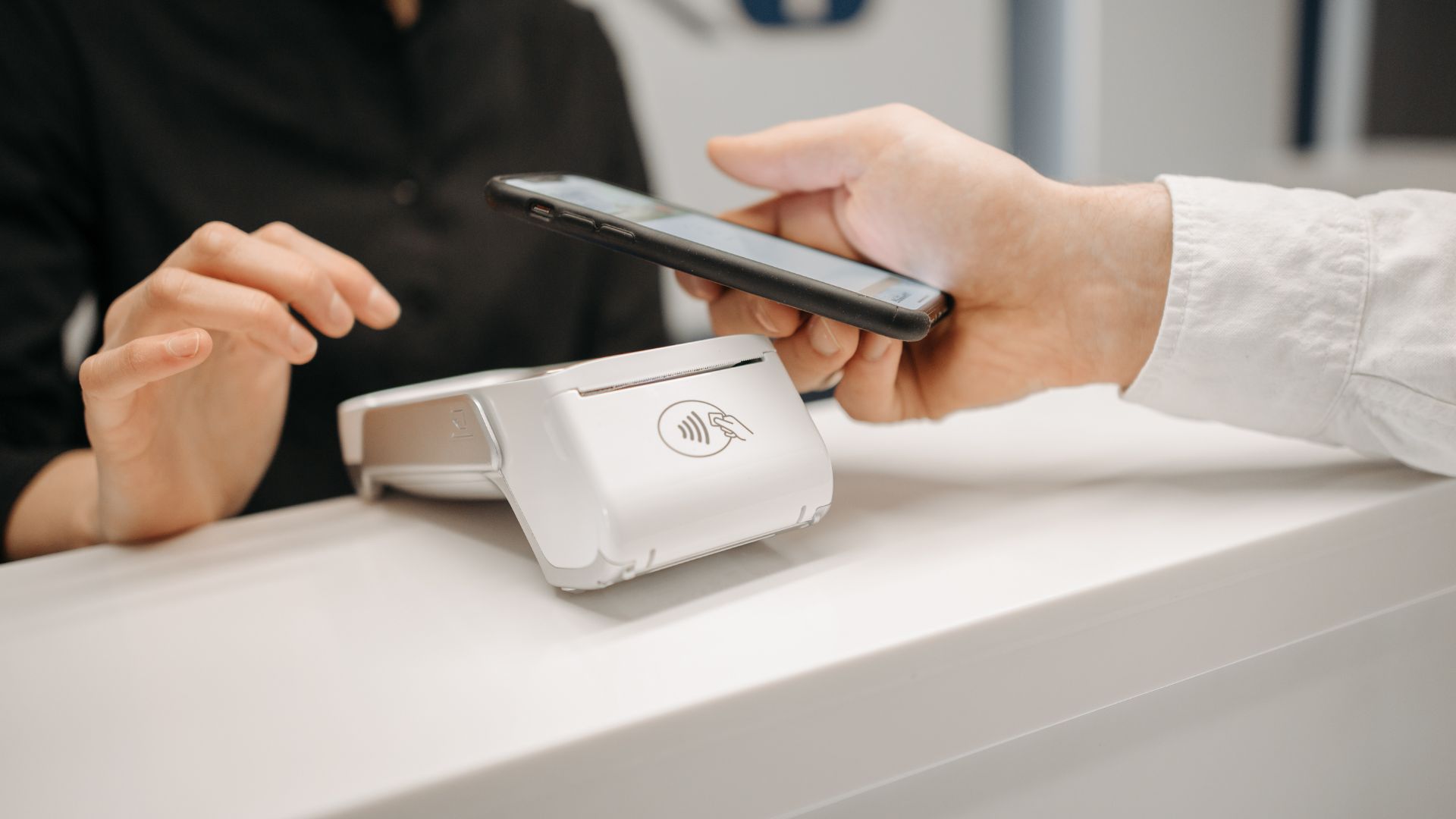
You can get a virtual credit card in minutes from SA banks and fintechs to mask your real card, set spend limits, and use single‑use numbers for safer online shopping. They cut fraud risk, help budget and control subscriptions, but can complicate refunds or recurring payments. Check fees, FX rates and supported merchants before you create one, and keep your app and ID verification ready — keep going and you’ll find detailed provider comparisons, tips and troubleshooting.
Quick Start: Get a Virtual Credit Card in 5 Minutes
Getting a virtual credit card in five minutes is easier than you think: choose a reputable provider, verify your ID with a photo and a few personal details, link a funding source (bank account or physical card), and generate the card instantly in the app or website.
Once you’ve got it, you’ll see virtual card benefits immediately: disposable numbers for one-off purchases, masked details for recurring payments, and faster online checkout.
You’ll set transaction limits to control spending and reduce fraud exposure, so you’re not tied to your main account balance.
Check provider fees, supported merchants in South Africa, and whether the app lets you freeze or cancel cards on demand.
Follow prompts, confirm via SMS or email, and start using the card.
What Is a Virtual Credit Card?
A virtual credit card is a digital-only payment card that you generate through an app or online banking, giving you a card number, expiration date and CVV that exist only for electronic transactions.
You use it like a regular card for online or phone purchases, but it’s not a physical plastic card. You can set single-use numbers, merchant-specific limits, or short expiry dates to control spending and reduce fraud.
Those virtual card benefits include better privacy, easier dispute handling, and reduced exposure if a merchant is compromised.
Be aware of virtual card limitations: some merchants, subscriptions, or travel bookings may reject temporary numbers, and refunds or recurring billing can be trickier to manage than with a permanent card.
The Quiet Upgrade Our Subscription Stack Needed
Our subscription list had grown into something we could barely audit. A friend who manages a media company told us he tamed his own by giving each service its own card. He recommended the Vizocard subscription virtual card, and within a week our recurring spend finally made sense. Every tool sits on its own prepaid card with a hard cap, so nothing can quietly inflate its price or auto-renew unnoticed. If your credit card statement reads like a mystery novel, this VCC approach rewrites it into something you can actually skim.
Why South Africans Should Use Virtual Cards
You’ll find virtual cards give stronger transaction security by keeping your real card number hidden and limiting single-use charges.
They make it easier to control spending with set limits and expiration dates.
And when you shop across borders, virtual cards reduce fraud risk and simplify currency conversions.
Enhanced Transaction Security
Because online fraud keeps evolving, you should use virtual cards to cut your exposure to stolen payment data. They generate single-use numbers for each purchase, so merchants never see your real card details.
That reduces replay attacks and limits damage if a site is breached.
You’ll also benefit from stronger transaction authentication options tied to your bank app or device biometrics, making it harder for attackers to impersonate you.
Virtual cards support merchant-specific controls — set limits, expiry dates, and merchant locks — which bolster fraud prevention without changing your main account.
Easier Budget Control
When you assign virtual cards to specific purchases or subscriptions, you can track spending in real time and stop overspending before it happens. You’ll set clear spending limits per card, which prevents surprise balances and helps preserve cash flow.
Use expense categorization to group bills, groceries, and entertainment so your transaction history paints an accurate picture of where money goes. Link virtual cards to budgeting apps to automate updates and compare progress against savings goals.
Because each card is dedicated, you get financial flexibility to pause or cancel a card without disrupting other payments. Regularly reviewing categorized transactions makes adjustments simple, keeps you within monthly targets, and strengthens discipline for both short-term needs and long-term savings goals.
Safer Cross-Border Payments
Keeping spending organized with dedicated virtual cards also makes cross-border payments safer and simpler. When you use a virtual card for cross border transactions, you isolate each merchant and limit exposure to fraud, reducing the chance your main account details leak.
Virtual cards often let you set currency, single-use limits, and expiry, so you control conversion costs and prevent unexpected charges. That containment improves payment security and simplifies reconciliation when you review bank statements or claim business expenses.
If a vendor is compromised, you just cancel that virtual card without disrupting other payments. For frequent international purchases, virtual cards cut hassle and risk, letting you shop abroad with clearer costs and stronger protection.
Which SA Banks & Fintechs Offer Virtual Cards
Now you’ll see which major South African banks and fintechs actually offer virtual cards and what sets them apart.
Compare fees, security features, limits and ease of use so you can pick what fits your spending habits.
I’ll highlight the big banks, leading fintech providers, and the key criteria to weigh when choosing.
Major South African Banks
South Africa’s biggest banks and a growing number of fintechs already let you create virtual cards for safer online spending and subscription management. Major banks like the big four offer straightforward card applications in their apps, clear bank features, and varied transaction limits so you can control online purchases.
You’ll find differing security measures — tokenisation, one‑time PINs, and spend alerts — and you should compare user experiences before deciding. Customer support varies: some banks provide in‑app chat and rapid dispute handling, others rely on call centres.
Check fees, linking options, and whether virtual cards work for recurring payments. If you need help, ask support about limits, blocking, and how refunds are processed to avoid surprises.
Leading Fintech Providers
While many traditional banks offer virtual cards, a growing crop of South African fintechs — and several major banks — are leading the charge with dedicated, user-friendly virtual card options that you can create instantly in apps or web portals.
You’ll find providers focused on fintech innovations that tie virtual cards to digital wallets, boosting mobile banking convenience and transaction speed. These firms prioritise payment technology and online security, tokenising card details and letting you set limits or single-use numbers for safer shopping.
The user experience is streamlined for quick sign-up, improving consumer awareness and driving tech adoption. Many offerings also support broader financial inclusion by lowering barriers to secure digital payments for more South Africans.
How To Compare Options
Where should you start when comparing virtual-card options? Begin by checking user experience — app speed, layout, and how smooth the application process is.
Next, list card features like single-use numbers, expiry controls, transaction limits, and budgeting tools that suit your habits.
Weigh provider reputation and read user reviews for real-world reliability and customer support responsiveness.
Do security comparisons: encryption, two-factor authentication, and fraud protection policies matter more than marketing.
Also compare fees, top-up methods, and acceptance across merchants.
Test customer support channels before committing.
Finally, balance convenience against safety: a polished app with weak fraud protection isn’t worth it, and the best choice fits your spending patterns and offers clear, prompt support when issues arise.
Compare Providers: Security, Fees, FX, Support
Start by listing the features that matter most to you—security, fees, FX rates, and customer support—so you can quickly spot which virtual card provider fits your shopping habits and risk tolerance.
In your provider comparison, focus on a clear security analysis: encryption, two-factor auth, fraud prevention, and tokenisation.
Check fee structures for issuance, reloads, and cross-border charges, plus real currency exchange margins and FX transparency.
Test customer support responsiveness and channels; service matters when disputes arise.
Consider user experience and integration options with wallets, banks, and merchant platforms for seamless checkout.
Balance protection, predictable costs, fair currency exchange, and reliable support to decide which provider aligns with how you shop and manage risk.
Choose the Right Virtual Card Provider
When choosing a virtual card provider, you should compare fees and pricing so you’re not surprised by hidden costs.
Check the security features offered—like tokenisation, temporary card numbers, and fraud alerts—to keep your payments safe.
Also confirm local merchant acceptance so the card actually works where you shop in South Africa.
Fees And Pricing
Because fees can quickly erase the convenience of a virtual card, you should compare pricing structures closely before you sign up.
Look beyond headline offers and check transaction costs per purchase, monthly or annual account fees, and top-up charges. Some providers add foreign-exchange markups or per-transaction service fees that aren’t obvious at signup.
Ask for a clear fee schedule and examples of typical purchases so you can calculate real monthly costs.
Watch for hidden fees like card replacement, inactivity, or withdrawal charges. If you shop internationally often, prioritise low FX margins.
Balance cost against features you actually use — a cheaper card that’s restrictive may cost you more in hassle. Choose the provider whose total cost matches your spending habits.
Security Features Offered
While cost matters, security should be your top priority when choosing a virtual card provider — you want features that actually protect your money and data.
You should check encryption methods used for data in transit and at rest, plus secure storage of card details and tokens. Ensure the provider enforces strong user authentication and identity verification to prevent account takeover.
Look for transaction monitoring and real-time alerts that detect suspicious behaviour, and fraud protection policies that limit liability.
Useful controls include spending limits, single-use cards, and automatic card expiration to reduce exposure.
Confirm merchant vetting standards and clear dispute resolution processes so you can challenge unauthorized charges quickly and confidently.
Local Merchant Acceptance
Security features keep your funds safe, but they won’t help if merchants in South Africa won’t accept your virtual card.
You should research local merchant trends to see which payment methods are popular—online stores, ride-hailing apps, and subscription services may accept virtual cards differently.
Check provider lists and ask merchants directly before relying on a card for purchases.
Look for providers that offer clear compatibility info, dynamic BINs, and quick customer support so you can resolve acceptance issues fast.
Remember virtual card benefits like single-use numbers and spend controls are only useful when merchants process the transaction.
If a vendor rejects virtual cards, have a backup payment method and choose a provider known for broad merchant acceptance across South African e-commerce and in-store POS systems.
Generate Your First Virtual Card (Step‑by‑Step)
Start by opening your card provider’s app or website and signing in to your account.
Tap “Create card” or “New virtual card,” choose the account to fund, then follow the on‑screen prompts — that’s the card issuance process simplified.
You’ll name the card, pick the currency if available, and confirm billing details.
Review fees and any linked account, then authorize creation with your password or biometric.
Once issued, the app will display the virtual card number, expiry and CVV; copy or use them for online checkout.
Keep a screenshot or use the provider’s secure copy feature.
You’ll immediately enjoy virtual card benefits like reduced exposure to fraud and easier tracking of online purchases.
Set Limits, Expiry & Single‑Use Numbers
When you set spending limits, expiration dates, and single‑use numbers, you control where and how long a virtual card can be used, cutting fraud risk and accidental charges.
Use clear limit settings so a card only covers the amount you expect, preventing surprise debits.
Apply expiry management to match the purchase window—short lifespans for one-off buys, longer for subscriptions you trust.
Rely on single use benefits when paying unfamiliar merchants; the number dies after one transaction.
- Set tight limits per merchant to minimise exposure.
- Pick expiry dates that align with delivery or service timelines.
- Enable one‑time numbers for marketplaces and trial offers.
- Monitor transaction control logs to spot anomalies quickly.
Fees, FX and Limits to Watch
Watch fees, foreign-exchange spreads and per‑transaction or monthly limits so you’re not surprised by extra costs.
Check whether your issuer charges card activation, reload, or cross‑border fees and what FX rate they apply for non‑ZAR purchases.
Also confirm single‑use and cumulative limits to make sure the card covers your planned purchases.
Fees And Charges
While virtual cards can simplify online shopping, you’ll still face a mix of fees, foreign-exchange markups and transaction limits that affect the true cost and convenience.
You should review transaction types (single-use, multi-use, subscription) and card limitations tied to daily or per-transaction caps.
Watch for hidden costs like issuance, top-up, inactivity and cash-advance fees that erode savings.
International usage often triggers FX markups and merchant compatibility issues, so check supported acquirers before buying.
User experiences vary: read reviews about application processes, customer support and account management to avoid surprises.
Prioritise providers with clear fee tables and robust fraud prevention.
Compare scenarios to pick a card whose charges match your shopping patterns and cross-border needs.
- Check fee schedule
- Verify FX policy
- Confirm limits
- Read reviews
FX Rates & Limits
Because FX markups and card limits directly change what you pay and whether a purchase goes through, you should check both the exchange rate method and all spending caps before you buy a virtual card.
Look for providers that disclose their FX methodology—mid-market rate plus a clear markup or dynamic rate—and watch for hidden fees on currency conversions.
Expect fx fluctuations to affect final cost; some issuers lock rates at authorization, others convert at settlement.
Confirm transaction limits and daily or monthly spending caps so your purchase won’t be declined mid-checkout.
Also check single-transaction maxima and top-up limits for reloadable cards.
If you shop internationally, compare effective rates and limits across cards to minimize surprise charges and failed transactions.
Use Virtual Cards for Recurring Payments
If you set up recurring subscriptions with a virtual card, you’ll keep your real card details private and cut the risk of long-term exposure if a merchant gets breached. You’ll also gain control: use unique card numbers per service, set limits, and cancel any that look suspicious.
For recurring billing and subscription management, virtual cards let you isolate vendors and stop overcharges quickly.
- Create a dedicated virtual card for each subscription.
- Set a monthly limit that matches the plan to prevent unexpected debits.
- Monitor charges regularly and update or cancel via the app.
- Close or replace a card instantly if a merchant’s security is in doubt.
This approach simplifies audits and reduces fallout from data leaks.
Use Virtual Cards for One‑Off Purchases & Travel
Switch to a virtual card for one‑off buys and travel to keep your main card number off sites and away from skimmers. You can generate a single‑use or short‑lived card for a hotel deposit, rental car hold, or an unfamiliar online merchant, set a tight limit, and close it once the charge posts to prevent post‑trip surprises.
For one off shopping, create a card with the exact amount or a small buffer, so vendors can’t charge more than you approve. Use virtual cards when booking flights, accommodation or tours for travel convenience—especially with unfamiliar suppliers or international bookings.
Keep expiration and billing rules in mind, note merchant hold practices, and monitor transactions. Close the virtual card after the final charge clears to minimise fraud risk.
Manage Multiple Virtual Cards Easily
Once you start using virtual cards for separate purchases and trips, you’ll quickly accumulate several active numbers to track. You’ll want a clear system for card management that ties into your virtual wallets and supports payment flexibility.
Use concise card organization and set sensible transaction limits per card to prevent overspend.
- Link each virtual card to a named purpose in your wallet (e.g., travel, subscriptions) for quick identification.
- Record limits and renewal dates to keep transaction limits and digital security visible.
- Use spending tracking tools or export CSVs to simplify budget planning and reconcile statements.
- Periodically prune unused cards and revoke numbers to reduce clutter and enhance digital security across accounts.
Common Frauds Virtual Cards Stop : And How
When you use virtual cards, they block a range of common scams by isolating your real card details—so even if a merchant gets breached or a rogue site captures payment info, your main account stays safe.
You’ll stop card-not-present fraud because each virtual number is unique and often single-use, so stolen digits can’t be reused.
Recurring-charge abuse ends when you set expiry or limits per merchant, giving you control.
Phishing attacks become less dangerous since copied details don’t link to your real account.
Card cloning and skimming don’t apply to virtual-only numbers.
For better fraud prevention and online safety, create cards for specific purchases, set low limits, and cancel numbers instantly when something feels off—keeping exposure minimal and disputes straightforward.
Troubleshooting Failed Payments & Declines
Even with virtual cards reducing fraud risk, you can still hit failed payments or declines for several reasons, and knowing how to troubleshoot saves time and frustration.
Start by checking account settings and recent fraud alerts—banks may block transactions automatically. Confirm the virtual card’s card limits and expiry, and ensure billing details match the merchant.
- Review transaction errors shown by the merchant or app and note any error codes.
- Check merchant restrictions (country, currency, or recurring billing disallowed).
- Adjust card limits or create a new virtual card if amounts exceed limits.
- Contact customer support with error codes and timestamps if problems persist.
These troubleshooting tips streamline resolving payment issues quickly and reduce repeat declines.
When Not to Use a Virtual Card : Alternatives
Although virtual cards work well for many purchases, they aren’t always the best choice—so knowing alternatives saves you time and hassle.
You shouldn’t use a virtual card when you need recurring billing that must persist across months, when merchants reject virtual numbers, or for in-person ID checks where a physical card is required.
In real world scenarios like car rentals, hotels, or local services, a physical card or bank transfer often avoids disputes.
Consider alternative payment methods: debit/credit cards, EFT (electronic funds transfer), mobile wallets (SnapScan, Zapper), or instant EFT services that South African banks offer.
Choose the method that matches merchant requirements, refunds policy, and your need for receipts or deposit holds to prevent problems and delays.
10‑Point Checklist: Use a Virtual Card Safely
Because virtual cards change how you pay, you should follow a short checklist to avoid common pitfalls and keep control of your money.
Use virtual card security best practices: treat numbers like physical card details, update passwords, enable 2FA, and refuse insecure Wi‑Fi when paying.
Set clear transaction limits so a single breach can’t cost you much; use one‑time or merchant‑locked cards for subscriptions.
Reconcile transactions daily, report unknown charges immediately, and freeze or cancel cards at the first sign of fraud.
Keep provider contact details and dispute procedures handy.
Limit stored cards on e‑commerce sites and prefer reputable merchants.
Review terms for refunds and recurring charges before authorising a virtual card.
Stay vigilant and practice good hygiene to reduce risk.
Frequently Asked Questions
How Do Virtual Cards Affect My Credit Score?
They usually won’t hurt your credit score if you use them responsibly; you’ll control credit utilization and avoid extra balances, and their fraud protection reduces dispute impacts — just ensure timely payments and monitor statements regularly.
Can I Add a Virtual Card to Apple Pay or Google Pay?
Yes — you can add a virtual card to Apple Pay or Google Pay; think of it as planting a guarded seed in a wallet, where security features and transaction limits protect growth while you tap to pay confidently and conveniently.
Are Virtual Cards Accepted for Car Rental Deposits?
Yes — but it depends. You’ll face car rental policies that sometimes refuse virtual cards due to virtual card limitations like no physical imprint or limited hold capability, so check the rental’s payment and deposit rules before booking.
Do Virtual Cards Work for Utility Bill Payments in SA?
Yes — you can use virtual cards for many utility payment options in SA; you’ll enjoy virtual card benefits like enhanced security and spend control, though some providers or recurring setups may still require a physical card or bank debit.
How Long Do Virtual Card Transaction Records Stay Accessible?
You’ll typically access virtual card transaction records for months to years; transaction duration varies by issuer and bank, while record retention follows provider policies and legal requirements, so check your card’s terms for exact retention periods.
Final words
Virtual cards give you practical, fast protection—yet they’re not magic. Investigate the theory that technology alone solves fraud: you’ll find true safety comes from choices you make, like monitoring transactions, setting limits and using reputable providers. In South Africa, a virtual card is a powerful tool when paired with good habits and awareness of fees, FX and merchant limits. Use it smartly, and it becomes less about tech hype and more about deliberate, safer spending.
Leave a Reply