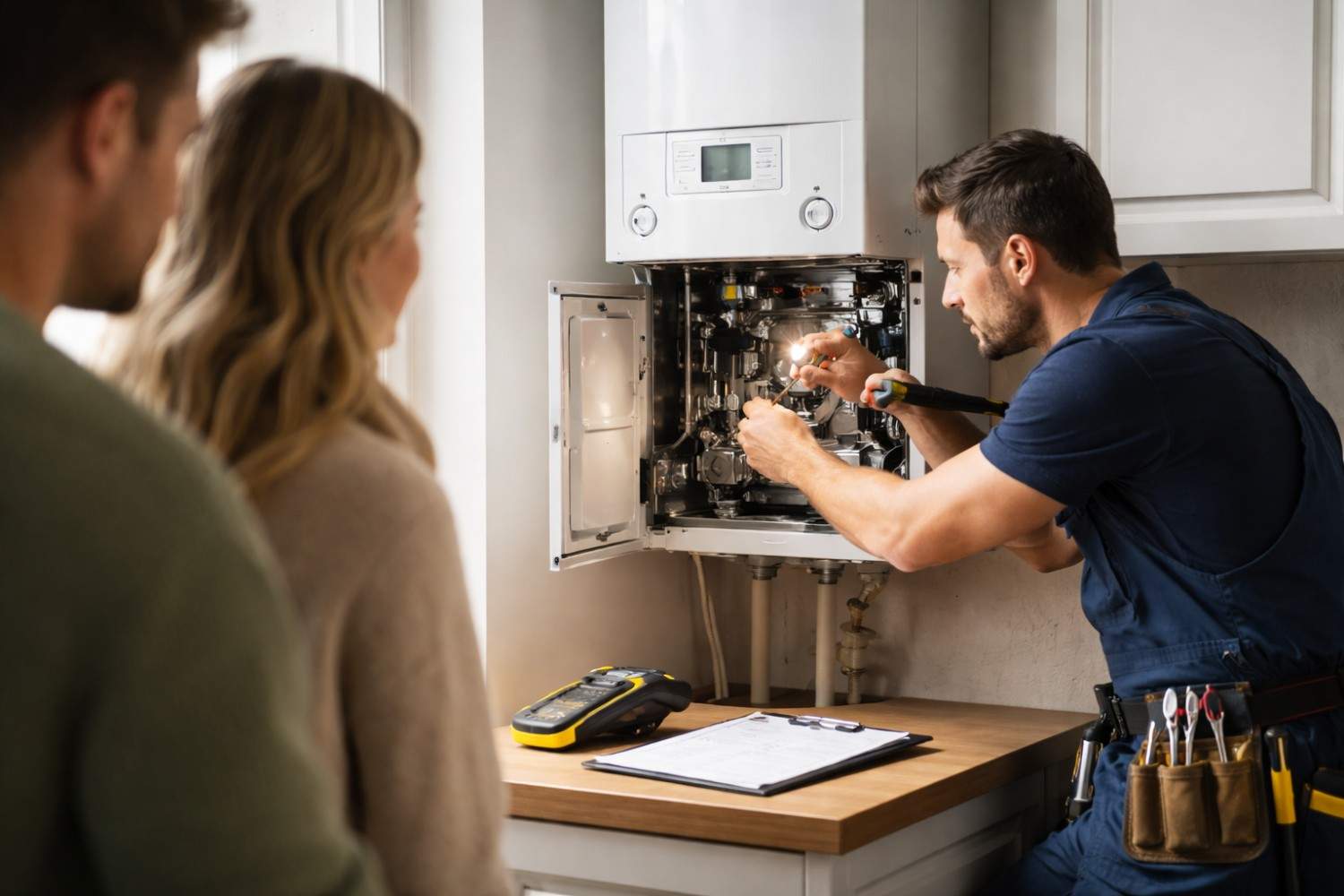
When your boiler suddenly stops working especially in the middle of winter it can quickly turn from an inconvenience into an emergency. Whether you’re dealing with a boiler not working, strange noises, or no hot water, knowing what steps to take can save time, stress, and money. This step-by-step guide is designed to help homeowners understand the basics of boiler repair, identify common issues, and determine when to call a professional boiler repair service. Backed by industry experience, Chicago Comfort HVAC Services has helped countless homeowners handle everything from minor fixes to full system replacements. Let’s walk through the ultimate checklist to keep your heating system running efficiently.
Understanding Your Boiler System
Before jumping into repairs, it’s important to know what type of system you have. Whether it’s a gas boiler repair, electric boiler repair, or oil boiler repair, each system has unique components.
Common types include:
- Combi boiler repair systems (compact and efficient)
- Central heating boiler repair units
- Steam boiler repair systems
- Condensing boiler repair models
Knowing your system helps you troubleshoot more effectively and communicate clearly with boiler technicians.
Step-by-Step Boiler Repair Checklist
1. Check the Thermostat
Ensure your thermostat is set correctly. Sometimes a boiler not working is simply due to incorrect settings or dead batteries.
2. Inspect Power Supply
Verify that your boiler is receiving power. This applies to both residential boiler repair and commercial boiler repair scenarios.
3. Check Boiler Pressure
Low or high pressure can cause system shutdowns. If your boiler pressure too high/low, adjust according to manufacturer guidelines.
4. Look for Leaks
A boiler leaking water can indicate internal damage or loose valves. Turn off the system and inspect visible pipes.
5. Reset the Boiler
If your boiler keeps shutting off, try resetting it. This can resolve minor faults.
6. Inspect Pilot Light
If your boiler pilot light keeps going out, it may be due to a faulty thermocouple or gas supply issue.
7. Listen for Noises
If you hear banging or whistling, you may need boiler making noise repair—often caused by air in the system or limescale buildup.
8. Check for Hot Water Issues
If you need a no hot water boiler fix, check valves and thermostat settings before calling for help.
Common Boiler Problems & Fixes
Boiler Not Working
- Could be electrical issues or pressure imbalance
- Requires quick diagnosis, especially for emergency boiler repair
Boiler Leaking Water
- Often due to corrosion or faulty seals
- Needs immediate attention to prevent further damage
Boiler Keeps Shutting Off
- Could be thermostat issues or pump failure
No Hot Water
- Common in combi systems; may require same day gas boiler repair service
When to Call a Professional Boiler Repair Service
While DIY checks are helpful, some situations require expert help:
- 24 hour boiler repair emergencies
- Gas leaks or electrical faults
- Industrial boiler repair needs
- Complex issues in commercial boiler repair systems
If you’re searching for boiler repair near me or 24/7 emergency boiler repair near me it’s time to contact a local boiler repair company like Chicago Comfort HVAC Services.
Boiler Repair Cost Breakdown
Understanding boiler repair cost helps you plan better:
- Minor fixes: thermostat or pressure issues
- Moderate repairs: valve replacement or leak fixes
- Major repairs: heat exchanger or pump replacement
Factors affecting cost:
- Type (gas, electric, steam)
- Urgency (emergency vs scheduled)
- Parts required
If you’re wondering, how much does boiler repair cost, expect variation depending on complexity. Chicago Comfort HVAC Services offers affordable boiler repair for home solutions with transparent pricing.
Preventive Boiler Maintenance Tips
Regular maintenance reduces breakdowns and extends system life:
- Schedule annual boiler service
- Book a boiler inspection service
- Perform a seasonal boiler tune-up
- Use preventive boiler maintenance plans
Searching for boiler servicing near me ensures your system stays efficient year-round.
Repair vs Replacement: What to Choose
Sometimes repair isn’t enough. Consider replacement if:
- Frequent breakdowns
- High boiler service cost
- Outdated system
Options include:
- Boiler replacement
- New boiler installation
- Upgrade boiler system
A trusted boiler installation service can guide you on replacing an old unit.
FAQs
1. What should I do if my boiler is not working?
Start with thermostat, power, and pressure checks. If unresolved, call a boiler repair service.
2. How much does boiler repair cost?
Costs vary depending on the issue, but minor repairs are cheaper than major component replacements.
3. Can I fix a leaking boiler myself?
Small leaks might be tightened, but most require professional repair.
4. How often should I service my boiler?
At least once a year with an annual boiler service.
5. What is the most common boiler issue?
Pressure imbalance and thermostat faults are very common.
6. When should I replace my boiler?
If repairs are frequent or the system is over 10–15 years old.
Conclusion
A well-maintained boiler ensures comfort, safety, and energy efficiency in your home. By following this step-by-step boiler repair checklist, you can identify issues early and avoid costly breakdowns. However, not all problems can or should be handled alone. For reliable, fast, and affordable solutions, trust Chicago Comfort HVAC Services your go-to experts for everything from emergency boiler repair to full system upgrades. If you’re searching for the best boiler repair company near me, your solution is just one call away.